


Anthropic and OpenAI are selling you the mainframe at the top of the swing
Anthropic filed to go public last week. Analysts estimate it could list at $1.5 trillion to $2 trillion, potentially one of the largest IPOs in history. OpenAI has filed confidentially and is reportedly raising private money at a valuation between $1.25 trillion and $1.4 trillion. Before you buy, consider the question some have heard me sound off about: could AI disappear? Every so often a technology shows up a little ahead of its time and gets buried. Sometimes it stays buried for a decade or more.
Don’t get me wrong, I believe AI itself is here to stay. The centralized, hyperscale version of it, the one being financed with trillions of dollars of data center commitments, could fade, at least for a while. It may well come back later, because that is how these cycles run. In between, I expect a large correction. I have been working in AI for over 40 years, and I have seen this movie before. Several times.
The car they crushed

In 1996 General Motors put the EV1 on the road. It was the first modern electric car from a major American automaker, and the people who drove it loved it. You could not buy one. GM only leased them, in California and Arizona, and built roughly 1,100.
When the leases ran out, drivers asked to buy their cars. GM said no, took them back, and sent most of them to the crusher. A handful went to museums and universities with their drivetrains disabled.
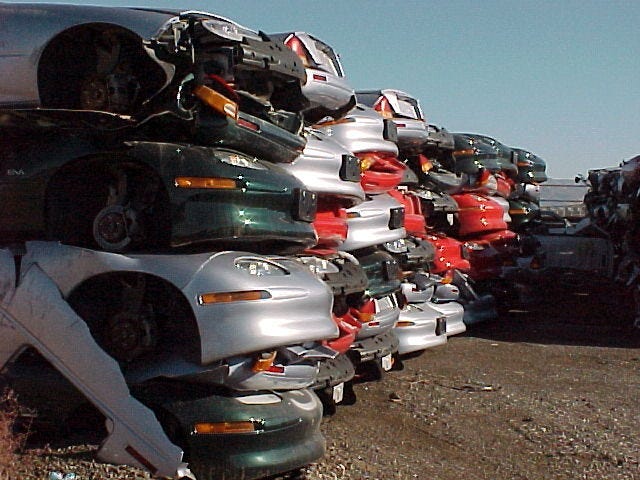
Drivers held a mock funeral for the car at Hollywood Forever Cemetery in 2003, bagpiper and all. The 2006 documentary Who Killed the Electric Car? laid out the suspects: oil companies, regulators, and GM itself.

Whatever you believe about the conspiracy, the lesson I take from it is simple. The technology worked. The incumbent that built it had no reason to want it to succeed, and once California softened its zero emission mandate, the business case went away. Lease only meant GM kept ownership, and the crusher closed out the liability.
The idea did not die. Tesla was founded in 2003, shipped the Roadster in 2008, and within a decade every major automaker was back in the electric car business. It came back from outside the incumbent, about fifteen years later.
And the pendulum keeps swinging. Since late 2025, Stellantis, Ford and GM have written off more than $50 billion on electric vehicle plans, Ford killed the electric F-150 Lightning in favor of a hybrid, and Honda shelved three U.S. electric models, all after building for demand that arrived slower than they forecast.
Big Blue, big iron
Computing has been swinging back and forth between centralized and distributed for seventy years. I have watched most of it firsthand.
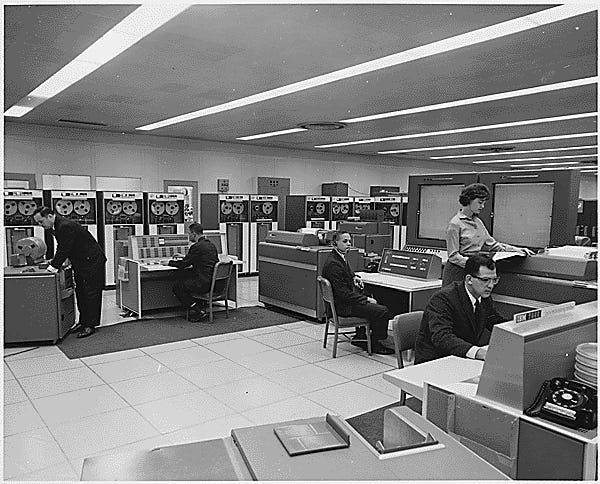
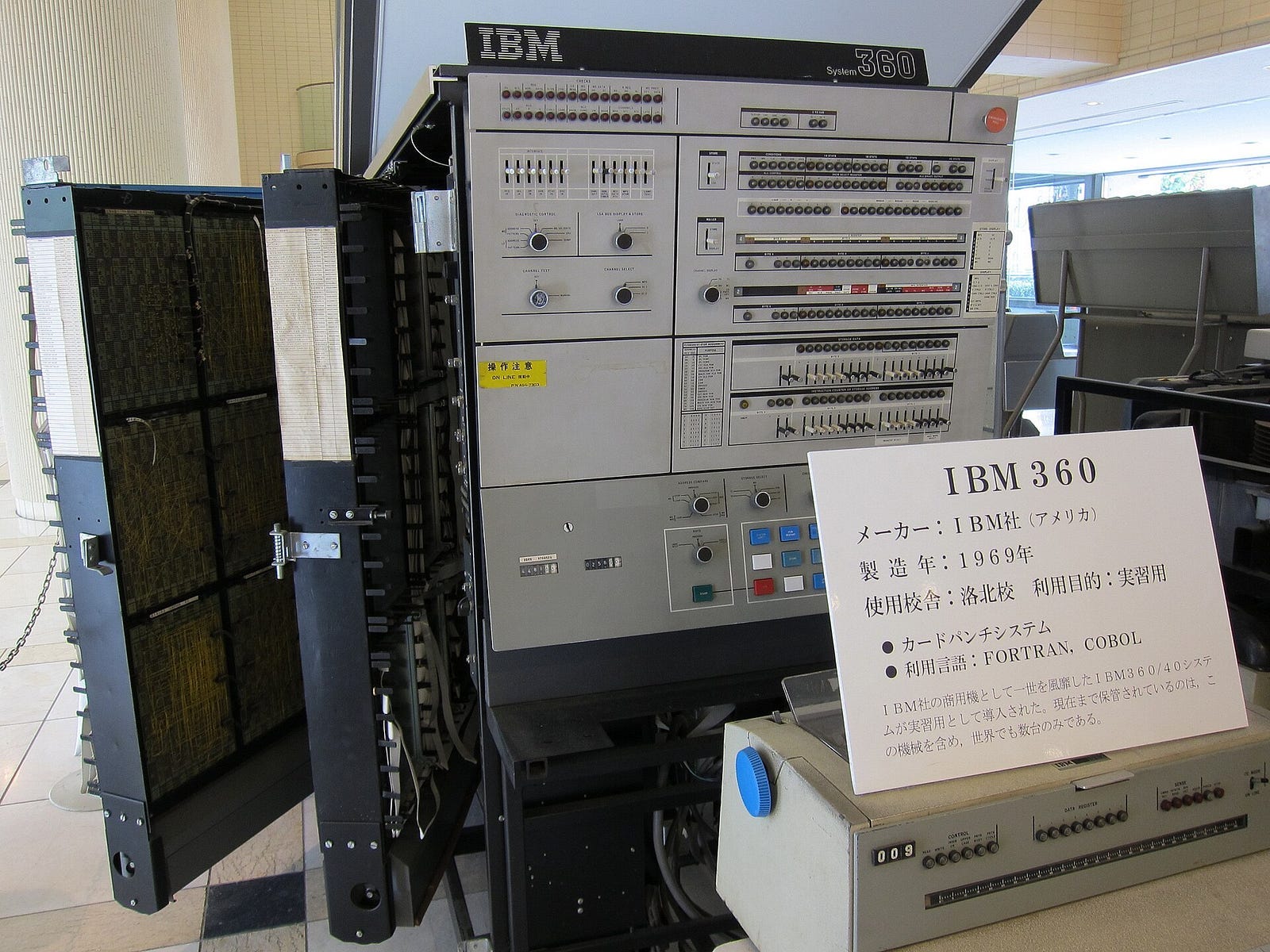
First came the mainframe. IBM, Big Blue, filled whole rooms with big iron, and the System/360 family announced in 1964 became the standard for business computing. All the intelligence lived in the machine room. Terminals were dumb. You submitted a job and waited your turn.
Cray, the Connection Machine, and Silicon Graphics
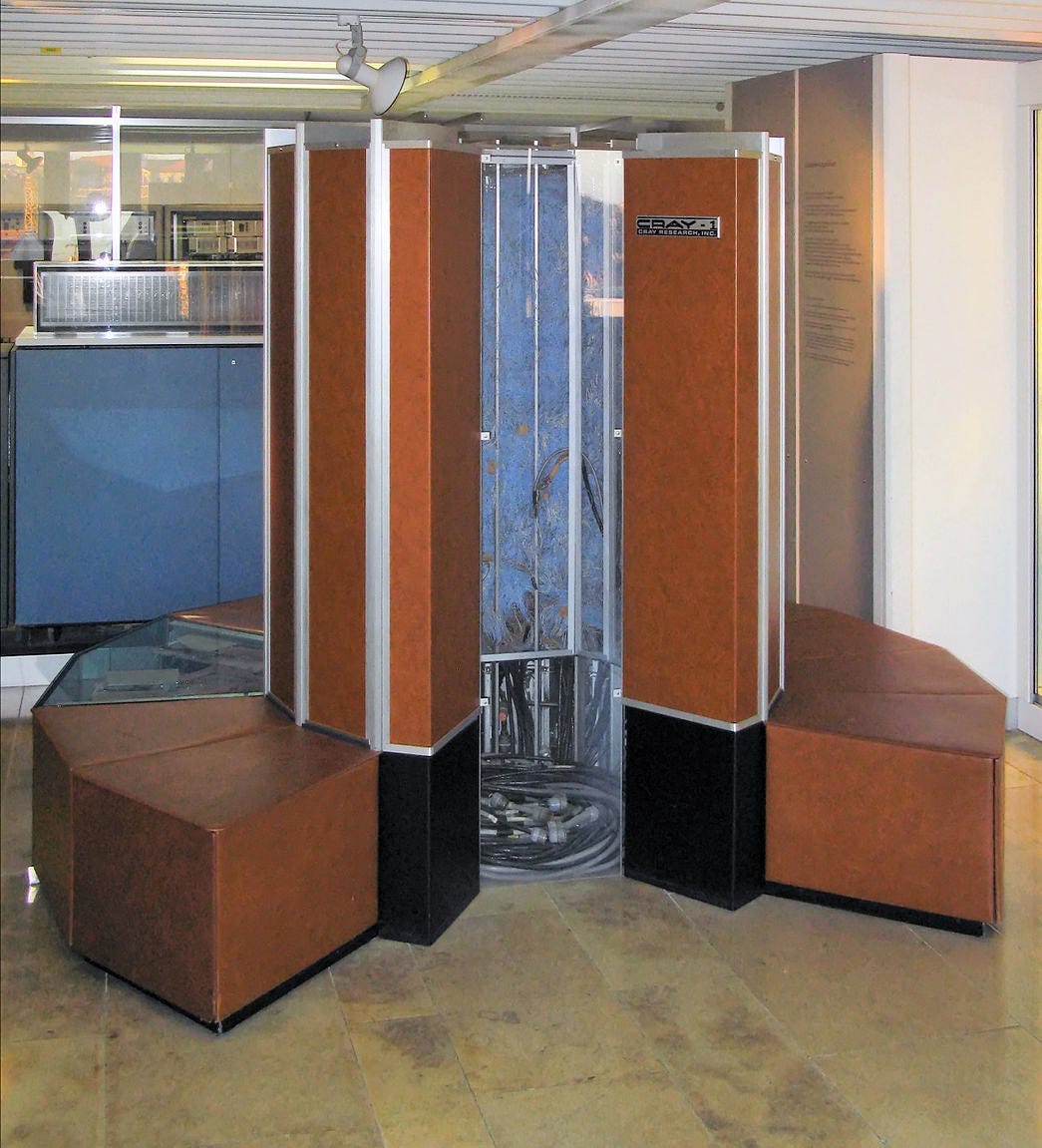
Mainframes ran the business. Supercomputers ran the science. In 1976 Seymour Cray delivered the Cray-1 to Los Alamos for roughly $8 million. It peaked at about 160 million floating point operations per second, and it was the fastest machine in the world.
Then came parallelism. The Cray X-MP in 1982 put more than one processor on the same problem. The Cray-2 in 1985 packed so much into so little space that its circuit boards sat submerged in liquid coolant.

Thinking Machines took a different road. Its Connection Machine, also from 1985, used 65,536 very simple processors working at once. That idea, many small processors attacking one problem together, is what pulled me into parallel computing and neural networks early on.
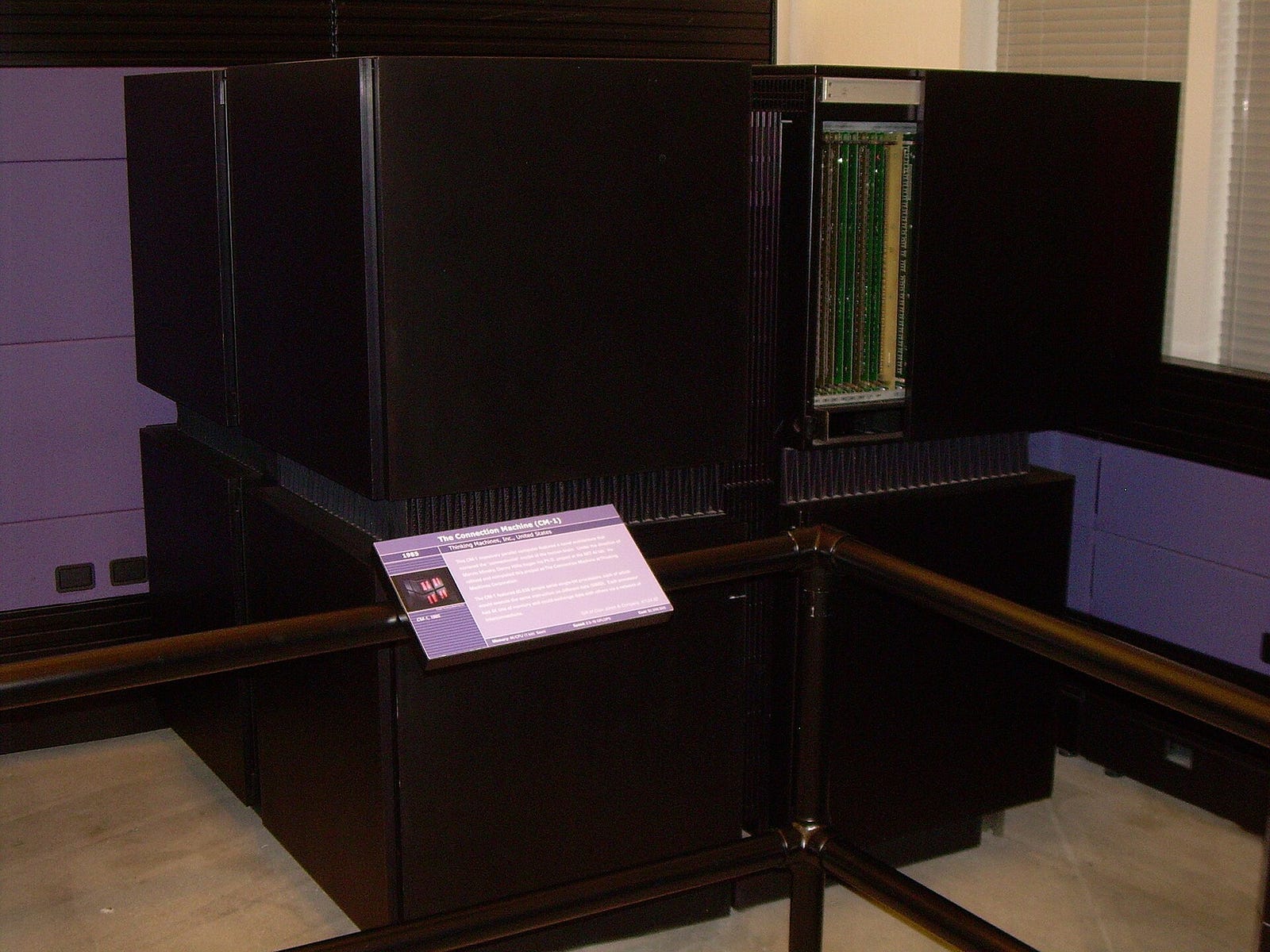
At the same time, Silicon Graphics was building workstations with dedicated graphics hardware, machines like the Indigo and the Onyx. They rendered 3D in real time, which was unheard of on a desktop, and they powered the movie effects of the early 1990s. That specialized graphics silicon was the ancestor of the GPU. In 1999 Nvidia shipped the GeForce 256 and called it the first GPU. Twenty five years later, chips descended from it train and run every large AI model.
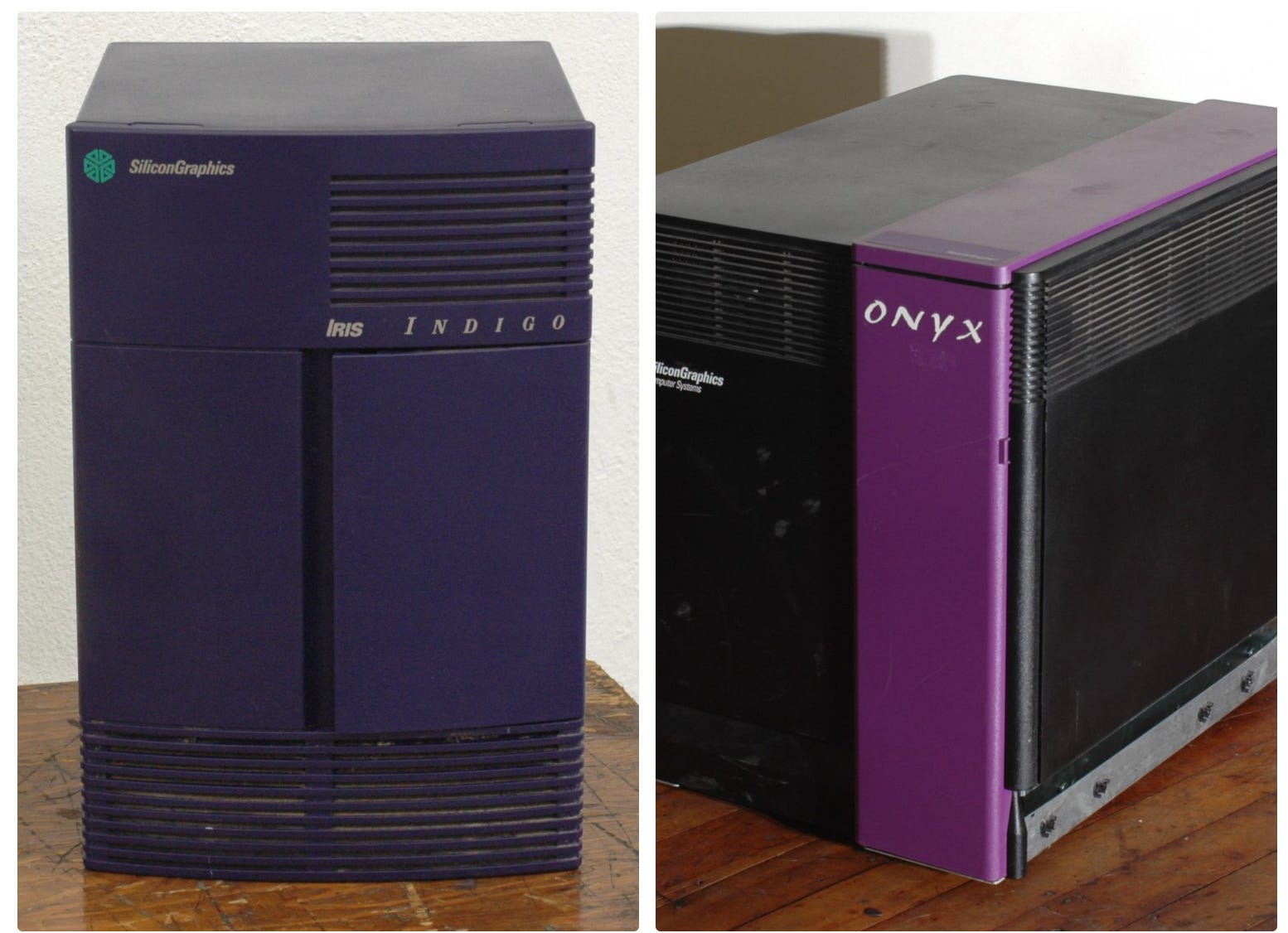
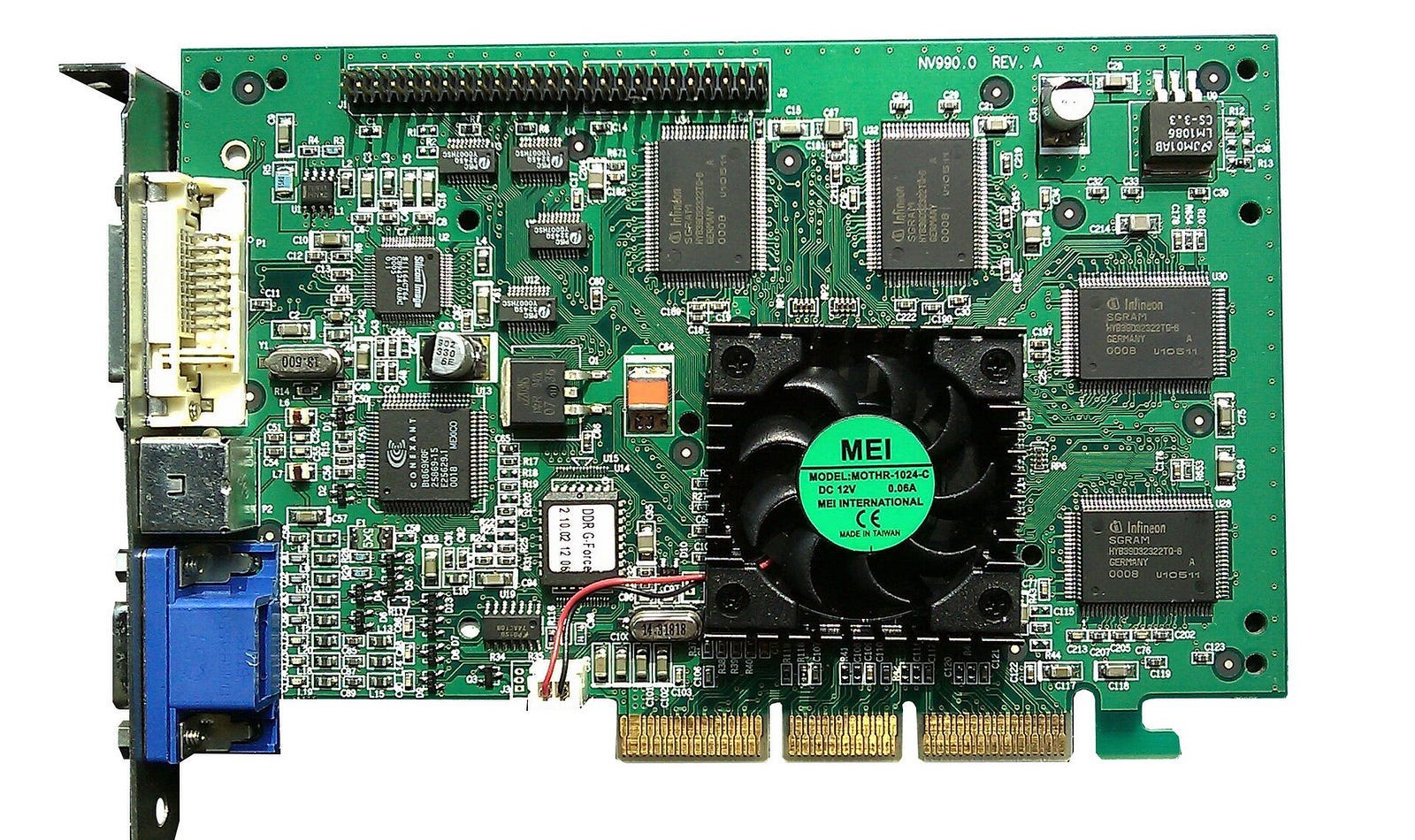
None of those companies survived as they were. Silicon Graphics went bankrupt and its name was sold. Cray changed hands several times and is now part of Hewlett Packard Enterprise. The power those machines held in one room ended up on everyone’s desk, and then in everyone’s pocket. The phone you are holding is thousands of times faster than a Cray-1.
When it landed on the desk
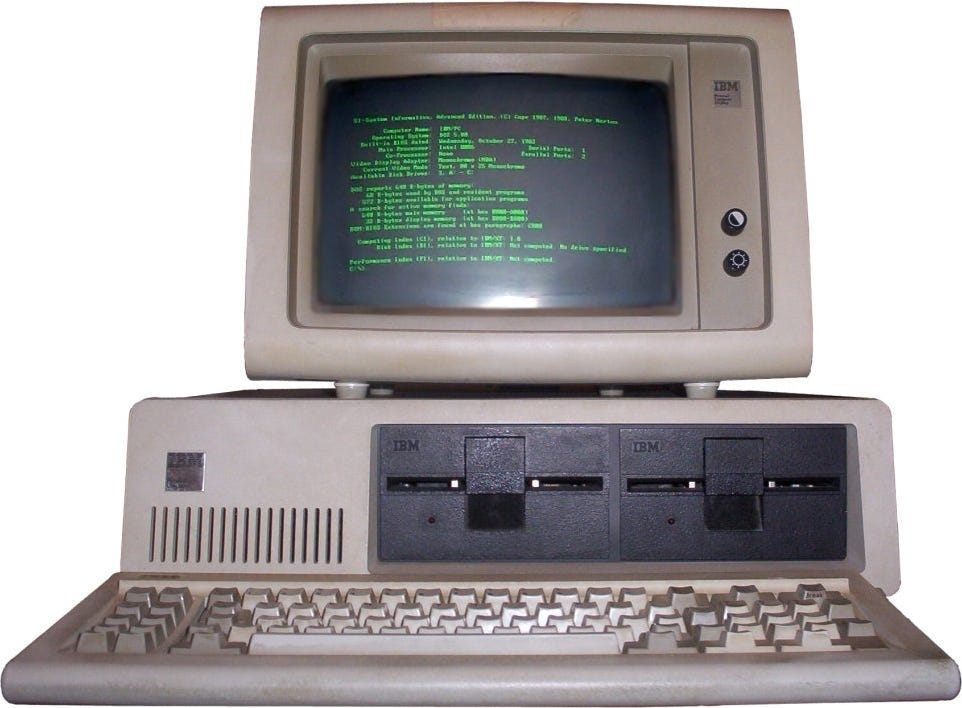
In 1981 IBM shipped the PC, and the compute came to your desk. No more begging the data processing department for time. Your software ran on your machine and your data stayed on your disk. The pendulum had swung hard toward the individual.
Client server
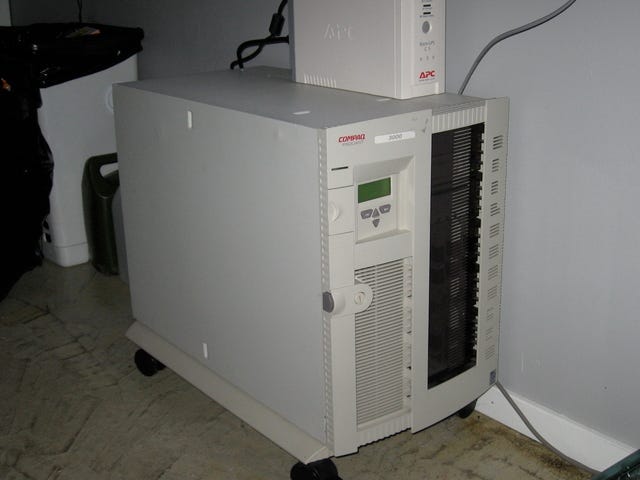
Through the late 1980s and 1990s we met in the middle. The desktops stayed smart, but servers came back for the shared pieces: databases, email, file storage. Every company of any size had a server closet. Small businesses ran their own machines and owned their own data.
Then Bezos wanted to be the server room for everyone
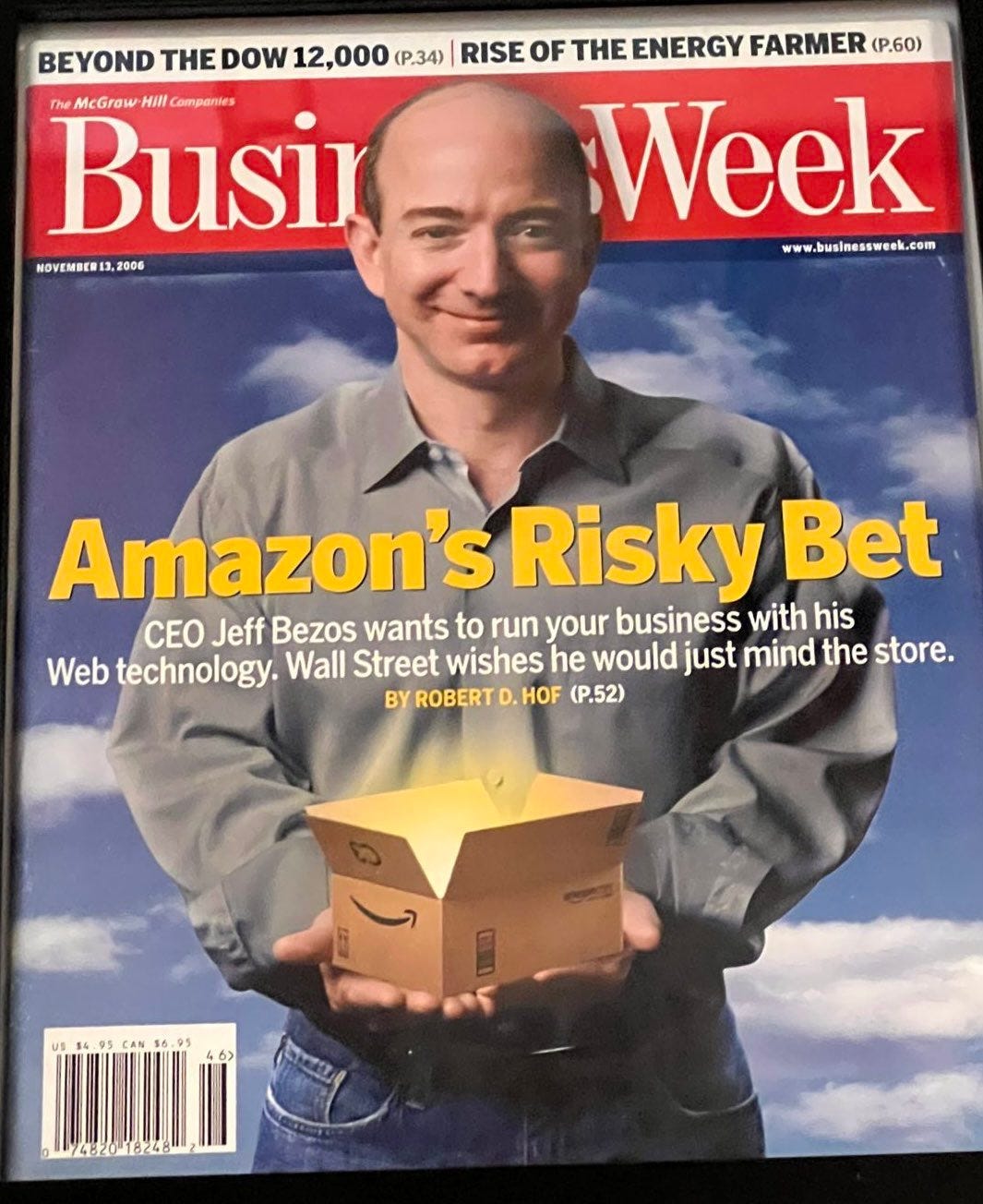
Amazon Web Services launched S3 and EC2 in 2006. That November, BusinessWeek put Jeff Bezos on the cover under the headline “Amazon’s Risky Bet.” Wall Street hated it. Why would a bookseller want to rent out its computers?
Bezos keeps that cover framed. In 2022 he posted a photo of it and pointed out that the risky bet had brought in more than $62 billion the year before. He was right. Startups stopped buying servers. Enterprises closed their server closets. The pendulum swung all the way back to centralization, this time with an API and a credit card.
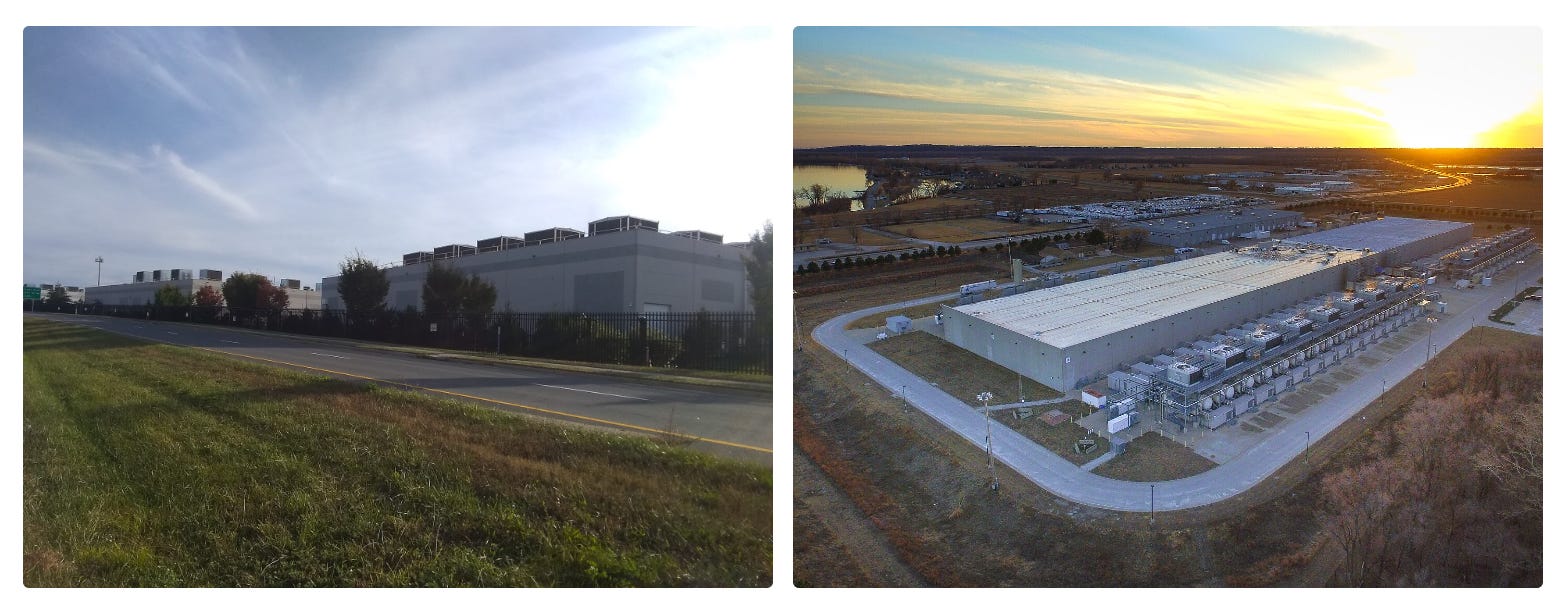
AI rode that wave. Training a frontier model takes tens of thousands of GPUs, and only the hyperscalers could pay for them. Serving the models to everyone also ran best in their data centers, and they were happy to meter it. Every question you ask flows back to them.
I think we are near the top of that swing.
Why I think the build out is overdone
McKinsey puts global data center spending at nearly $7 trillion by 2030. Bain estimates the industry needs $2 trillion in new annual revenue by then just to pay for the scaling it has planned. A lot of that is being financed with debt, long term power contracts, and leases.
Here is what bothers me. A trained model is a large collection of neural network weights, numbers that encode what the network learned. Even the most powerful models today fit on a thumb drive. That has two consequences.
First, they can be distilled. A smaller model can be trained to imitate a larger one at a fraction of the cost.
Second, they can walk out the door. One employee with access and a USB stick can leave the building carrying an entire IP position in their back pocket. That is no longer hypothetical. In January 2026 a federal jury convicted a former Google engineer of economic espionage for taking more than 2,000 pages of Google’s AI trade secrets while lining up work with Chinese companies.
Open weights changed the math
The bigger story is that much of the best AI is now free to download. Open weight models publish the numbers themselves, so anyone can run them on their own hardware, inspect them, and fine tune them on their own data.
China has been the most aggressive here. DeepSeek released its R1 reasoning model in January 2025 under an MIT license. It came close to the best American closed models, reportedly at a small fraction of the training cost, and on the Monday after it hit the top of the app charts Nvidia lost roughly $589 billion in market value in a single day. Alibaba’s Qwen family followed with models from tiny to enormous under the Apache 2.0 license, and Qwen has become one of the most popular starting points for derivative models on Hugging Face. Moonshot’s Kimi K2, Zhipu’s GLM, and MiniMax have all released large open weight models of their own.
The West answered. Meta’s Llama, Mistral in France, and Google’s Gemma are all open, and in August 2025 even OpenAI released open weight models, its first since GPT-2.
The result is that capability which cost billions to create is now a download. These open models write code, read documents, reason through problems, and hold a conversation better than most of what we will ever need. Using a trained network, running inference through it, does not require retraining it. It only requires a place where the weights fit.
So I do not see a need to keep pushing ever bigger models, and I do not see a need for the data center build out at the scale being promised. If a developer can download a model, run it locally, and get most of the way to the frontier without sending a byte to a hyperscaler, why pay rent?
Who is listening to your questions?
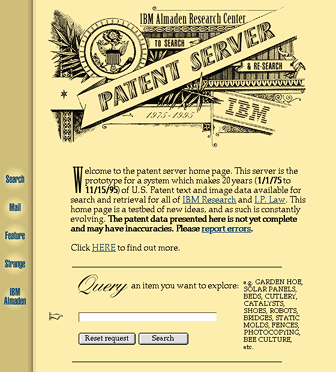
In the late 1990s IBM put up a free patent server on the web. You could search U.S. patents and see what was out there, and for its day it was a great tool. I remember companies telling their people not to use it. The worry was simple: every query told IBM what you were working on. Type in a few searches around a new idea and you have just described your next product to one of the largest patent holders in the world. Whether IBM ever looked at those logs hardly mattered. Nobody wanted to find out. IBM spun the service out as Delphion in 2000.
Today’s AI chat window is that patent server times a thousand. People do more than search. They paste in the draft patent, the source code, the board deck, the customer list, the clinical data, and ask the model to improve it. In drug discovery, a medicinal chemist asking a cloud model about a new scaffold has just revealed the program. Each prompt is a disclosure to a third party, and you have little real control over where it is stored, who can see it, how long it is kept, or whether it ends up in a future training run.
This has already happened. In 2023 Samsung engineers pasted confidential source code into ChatGPT, and Samsung banned generative AI tools on company devices. Apple, JPMorgan, Amazon, Verizon and others restricted employee use for the same reason. In 2025 a federal judge in the New York Times copyright case ordered OpenAI to preserve users’ ChatGPT conversations, including ones they had deleted. Your “deleted” questions became potential evidence in someone else’s lawsuit.

Mathematicians just lived through a version of this. In September 2026 OpenAI announced a solution to the Navier-Stokes problem, one of the million dollar Millennium Prize problems. Hours earlier, NYU mathematician Tristan Buckmaster had said that work he and Levent Alpöge had been doing, and had run through OpenAI’s own Codex to clean up and rewrite, had leaked into OpenAI’s effort. OpenAI denies it, and says none of his inputs after July 3 could have influenced the result. A month later OpenAI posted 722 math manuscripts in a single drop, and then claimed a second Millennium problem, Yang-Mills, ahead of two mathematicians who had been posting their progress in public. One Fields Medalist said OpenAI had “annihilated my field of research.”
I cannot tell you whose ideas went where, and that is exactly the point. When the company refining your work is also racing to publish in your field, you have no way to know. Every question, draft, and proof you hand a frontier lab tells them what you are working on and how far along you are. The IBM patent server only saw what you searched for. These systems see the work itself.
Then there is the cyber threat. A hyperscaler holding the prompts of millions of companies is the richest espionage target ever assembled. Researchers found a DeepSeek database sitting open on the internet in January 2025 with chat histories and secret keys inside. In November 2025 Anthropic reported that a Chinese state sponsored group had used its own Claude model to automate much of an espionage campaign against roughly thirty organizations. The same tools that answer your questions are being pointed at your network.
Serious businesses will respond the way they always have with their crown jewels. They will lock them down. For the most sensitive work that means nearly air gapped systems: models running on machines the company owns, inside its own walls, with no path out to the internet. Defense, pharma, finance, and law are already moving this way. Trade secret law protects only information a company takes reasonable steps to keep secret, and pasting it into someone else’s chatbot is a hard step to defend.
I believe this, more than anything else, will undo the hyperscale investment thesis. Corporations protecting their intellectual property and individuals protecting their privacy want the same thing: AI that stays home. When the biggest customers decide their most valuable questions can never leave the building, the revenue those trillion dollar data centers are counting on goes with them.
The capital commitments assume the pendulum stays where it is. I doubt the companies talking about hundreds of billions in committed spend will be able to pay back their investors, and later the creditors who lent them the money, if it does not.
Read the S-1 before you buy
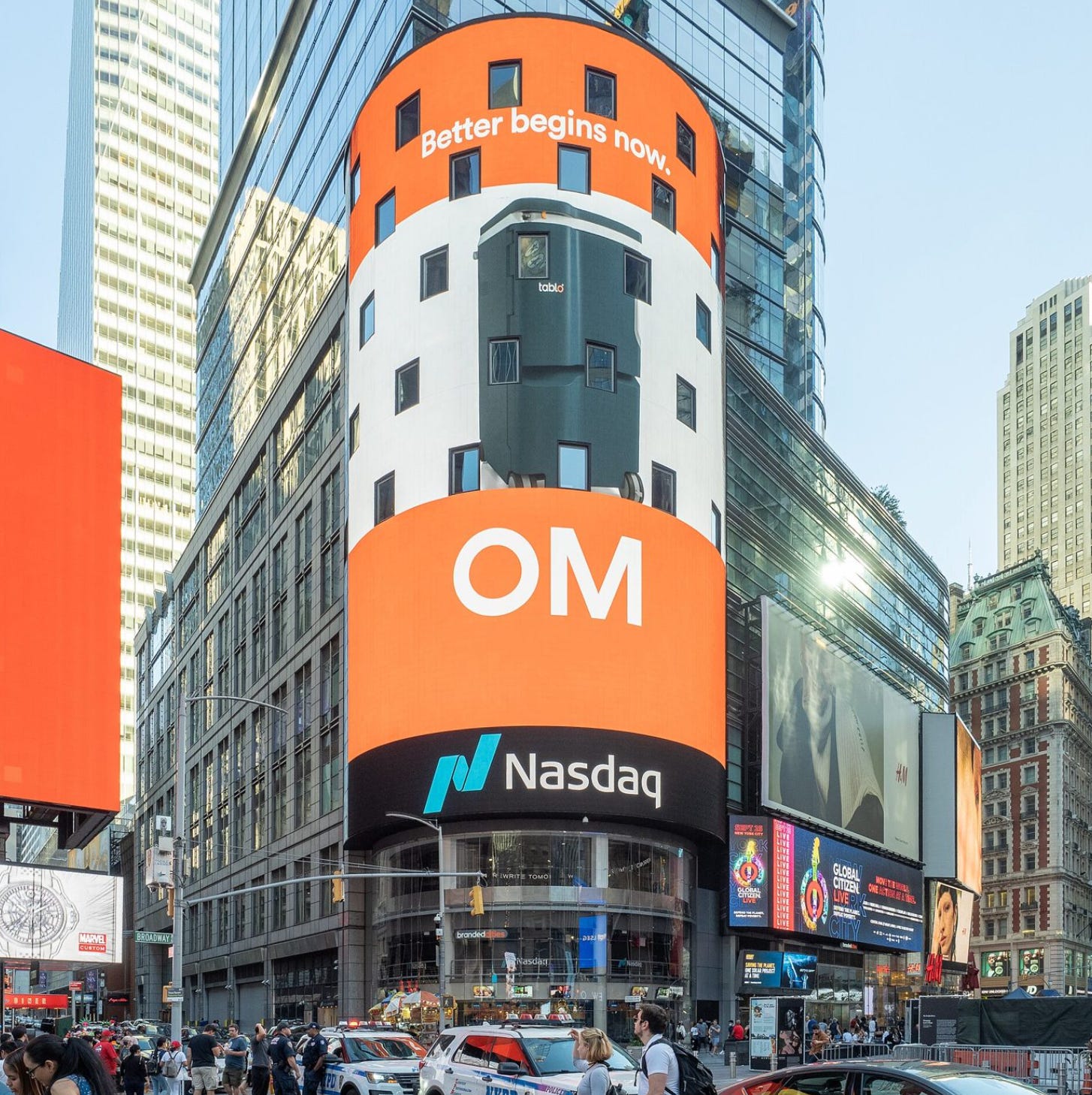
Anthropic filed its S-1 with the SEC on October 26 and plans to list on Nasdaq as ANT. Its last private round, in May, valued it at $965 billion, and analysts now talk about $1.5 trillion to $2 trillion at listing. OpenAI, valued at $852 billion as recently as March, has filed confidentially and is reportedly raising private money at up to $1.4 trillion. These will be two of the largest IPOs in history, and they are arriving at exactly the moment I think the pendulum is turning.
The filing is worth reading , or at least let one of the AI models summarize it for you. Anthropic’s revenue grew fast, to $16.3 billion in the first half of 2026. It also lost $80.7 billion in those six months. About $72 billion of that was an accounting charge tied to its convertible notes, but even without it the loss was roughly $8 billion. Meanwhile its noncancelable purchase commitments climbed from $54.6 billion at the end of 2025 to $265.6 billion by June 30, including $110 billion to Amazon, $114.5 billion for Google’s TPUs, and at least $44.9 billion to Microsoft. That is the build out I described above, written into a contract.
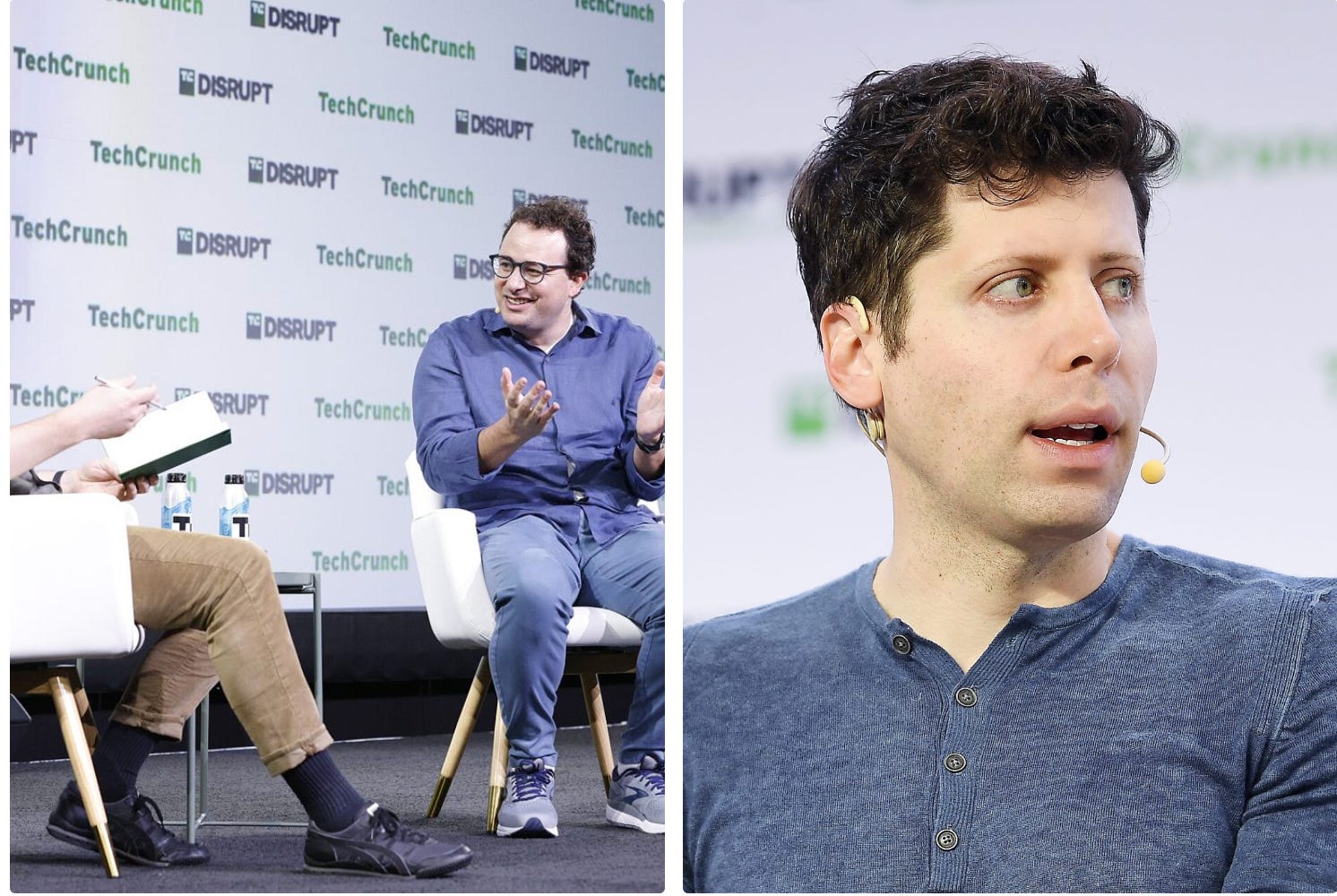
The risk factors say much of the rest. Anthropic lists open weight models among its competitors. It is tough to sell against free, especially if models can be run in the privacy of your business or home, i.e. on your servers, laptops, or mobile devices. It notes that Amazon, Google, and Microsoft, its landlords, all build competing models of their own. Seven co-founders keep 50.1% of the vote, so public shareholders are buying the economics without the control.
I use these models every day and I admire what both companies have built. That is a separate question from whether their stock is a good buy at a trillion dollars, sitting on hundreds of billions in compute commitments, while open weights get better every quarter and corporations work out how to keep their questions inside their own walls. I would not buy either IPO. If you want to bet on AI, buy a good laptop and download a model.
This is my opinion, not investment advice.
Back to the desk, and the phone
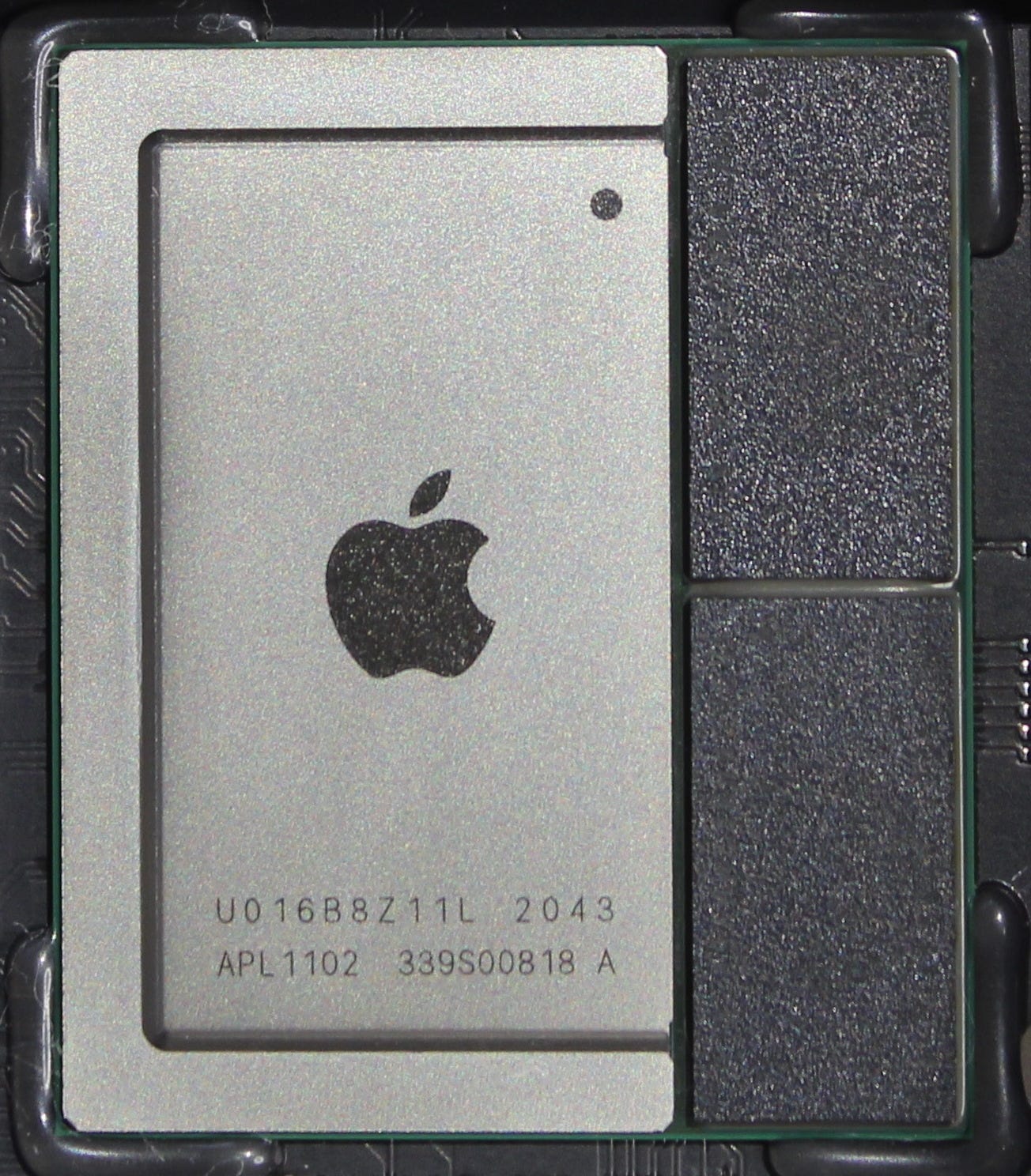
The chips in our laptops and phones are already strong enough. Apple’s M series, Qualcomm’s Snapdragon parts, and ordinary desktop GPUs run billion parameter models at useful speed. A 7 billion parameter model fits in a few gigabytes of memory, and quantization squeezes it further with little loss. What needed a server rack two years ago runs on a laptop today. A single workstation can now run the open weight models I described above.
Run it locally and your questions never leave your device. Nobody logs them. Nobody builds an ad profile from them. Nobody changes the terms of service and starts training on your inputs. For an individual that is privacy. For a business it is compliance and protection of its IP. For anyone handling medical, legal, or classified material it is a requirement.
Yes, content is king, and these models have an insatiable appetite for it. But they have already absorbed most of what humans have written over our entire history. Add new content locally as it arrives and you get most of the benefit without shipping your data back to a frontier lab.
That opens the door for local small businesses again, the same way client server did. Customer service, coding help, document review, all running on hardware you already own.
From macro to micro
AI is transformative. I have no doubt about that. The question is who controls it and where it runs.
The EV1 was buried by the company that built it, and the idea came back from outside the incumbent fifteen years later. Now the same industry is writing off tens of billions because it built ahead of demand. Electric cars did not disappear. The overbuilding got corrected.
Compute has followed the same rhythm. Big iron gave way to the desktop. The Cray and the Connection Machine gave way to workstations, then to commodity chips. Client server gave way to the cloud. Each time, the power that sat in one room eventually landed in everyone’s hands.
I believe AI is next. The weights are open and portable, the chips are already in our pockets, and the models are good enough today. Companies guarding their intellectual property and people guarding their privacy will pull the work back inside their own walls. Power is moving back toward the individual, the small company, and the large corporation that does not want to depend on a handful of highly concentrated entities sitting in the S&P.
So I expect a large correction in the hyperscale build out, much like the one the automakers are working through now, and I expect the AI IPOs to arrive right at the top of it. Centralized AI may well come back later, when the cycle turns again. It always does. For the next stretch, though, I would bet on the small, the local, and the private, and I would keep my money out of the mainframe.
References
Electric cars
General Motors EV1, Wikipedia
Who Killed the Electric Car?, Wikipedia
This little electric car made history. 25 years ago, GM stopped making it, NPR, December 6, 2024
Global Carmakers Book $55 Billion Hit From EV Rollback, Bloomberg via Claims Journal, February 9, 2026
Stellantis plunges on R427 billion bill for EV pullback, BusinessDay, February 6, 2026
EV Restructuring Has Cost Automakers Over $70 Billion So Far, Jalopnik
Honda to Write Off $15.7 Billion as EV Winter Arrives, Barron’s
Mainframes, supercomputers and the GPU
IBM System/360, Wikipedia
Cray-1, Wikipedia
Cray X-MP, Wikipedia
Cray-2, Wikipedia
Connection Machine, Wikipedia
Silicon Graphics, Wikipedia
GeForce 256, Wikipedia
PC and cloud
The IBM PC, IBM History
Amazon Web Services, Wikipedia
Jeff Bezos’ Risky Bet, BusinessWeek, November 2006
Why Jeff Bezos keeps a reminder that AWS was once just a risky bet, CNBC, May 20, 2022
Jeff Bezos on X, May 2022
AI build out and open weights
The cost of compute: a $7 trillion race to scale data centers, McKinsey
$2 trillion in new revenue needed to fund AI’s scaling trend, Bain
DeepSeek’s release of an open-weight frontier AI model, IISS
Beyond DeepSeek: China’s diverse open-weight AI ecosystem, Stanford HAI
DeepSeek, Wikipedia
Qwen, Wikipedia
Introducing gpt-oss, OpenAI, August 2025
Security, espionage and privacy
Delphion and the former IBM patent server, Searcher, May 2001
IPI Award 2014 recognizes Stephen Boyer (founder of the IBM Intellectual Property Network), TPR International
Samsung bans staff’s AI use after spotting ChatGPT data leak, Bloomberg via The Star, May 2, 2023
More companies are banning ChatGPT due to privacy risks, May 25, 2023
Former Google engineer found guilty of stealing AI secrets for Chinese firms, CBS News, January 2026
Ex-Google engineer guilty of stealing AI tech for Chinese firm, Bloomberg Law, January 2026
Wiz Research uncovers exposed DeepSeek database leaking sensitive information, Wiz, January 2025
Disrupting the first reported AI-orchestrated cyber espionage campaign, Anthropic, November 2025
How we’re responding to The New York Times’ data demands, OpenAI, June 2025
AI IPOs
Anthropic IPO live updates: S-1 filing, CNBC, October 26, 2026
Anthropic revenue hits $16.3 billion as preliminary S-1 outlines IPO risks, WSJ via Investing.com
OpenAI confidentially files IPO paperwork, SiliconANGLE, June 8, 2026
AI and mathematics
The inside story behind OpenAI’s million-dollar math proof, Scientific American, October 22, 2026
OpenAI just scooped human researchers on a million-dollar quantum math problem, Scientific American, October 27, 2026
OpenAI bulk release of mathematical papers, Wikipedia
OpenAI posts 700 maths preprints online: mathematicians are up in arms, Nature
IBM Patent Server
IBM Patent Server home page, February 1998, Internet Archive
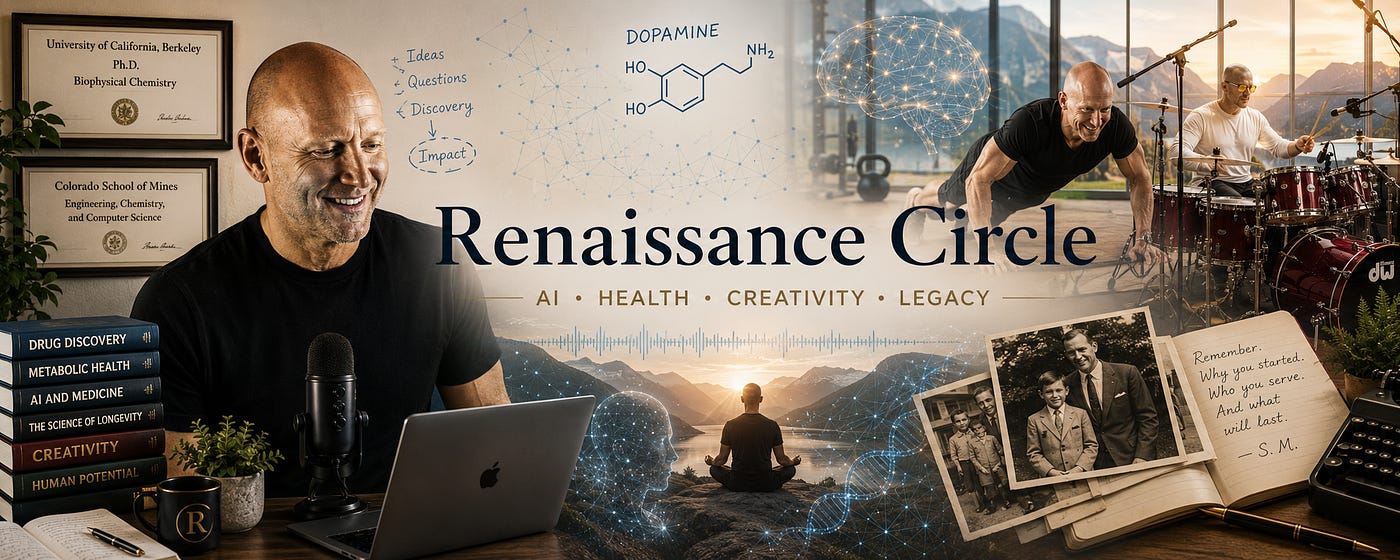
About the Author: Dr. Steven Muskal is CEO and founder of Eidogen Sertanty, with more than four decades of experience in AI driven drug discovery. He holds a Ph.D. in Chemistry from UC Berkeley (1991), where his thesis focused on neural networks for protein structure prediction.
Great article.