
By Steven Muskal, Ph.D. | The Renaissance Circle | November 2026
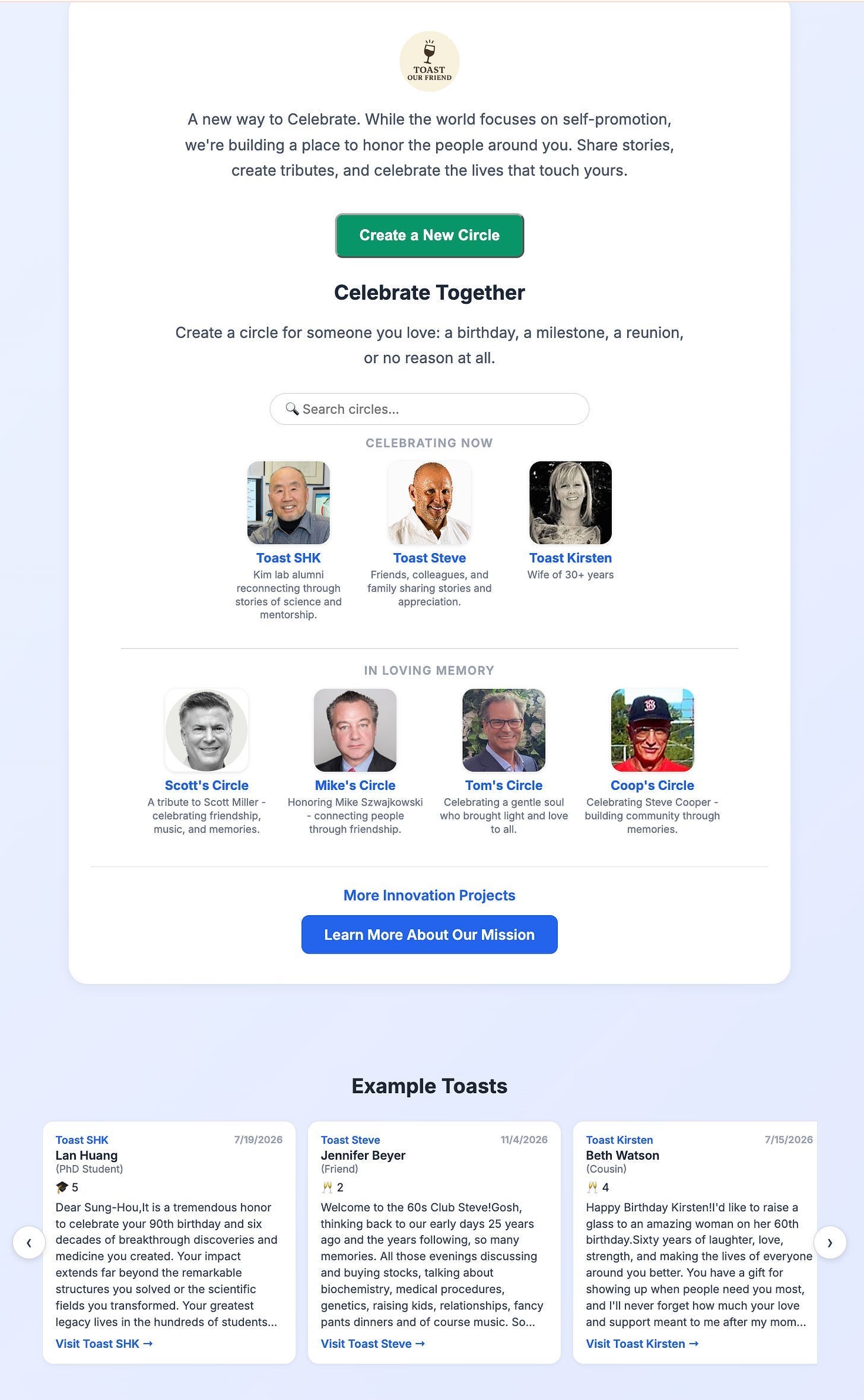
I previously wrote about Toast Our Friend, a site I built so friends and family could post stories and photos for someone and let that person read them. It began with a simple observation at my sister Julie’s celebration of life: she would have loved hearing those stories. The first toasts went to friends facing the end, and a few of them arrived too late to be read.
That piece was about where the idea came from. This one is about where it is going.
Circles
The toastourfriend.com (ToF) site is a “pay it forward,” no-cost site I created for my network of friends and family. I have shared it with others. It is not a business, and unlike the social media giants I have absolutely zero intention (or need) to monetize on other people’s celebratory content. ToF enables what we call circles: pages where anyone can gather toasts for one person. You can keep them private or open, 100% your choice. A birthday, a milestone, a reunion, or no reason at all. The idea is simple: make it easy to say something true and specific about a person, and easy for that person to see it while it still counts. This stays out of the hands of social media giants. I have way too much integrity for that — and wish one day those giants will pivot towards doing something good for society, but that is the subject for another time. I’ll keep ToF going as long as possible, but will probably GitHub the infrastructure so people can DIY their own if they like.
In ToF you can download and export your content at any time — which is something I always encourage. This was the key message in my That Go There write-up. Content storage systems change over the years (yes, one day Facebook and YouTube will disappear), so be sure to always transfer your memories to the next “more durable” system…
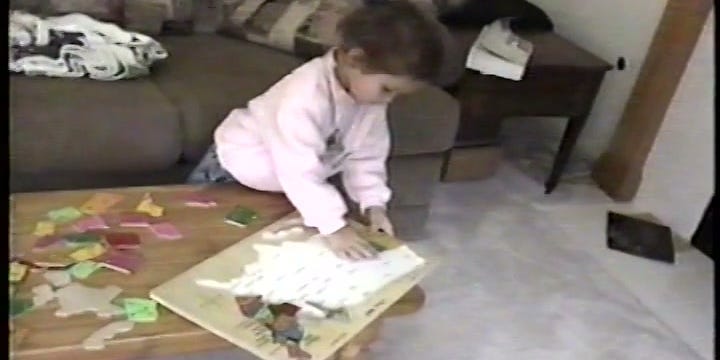
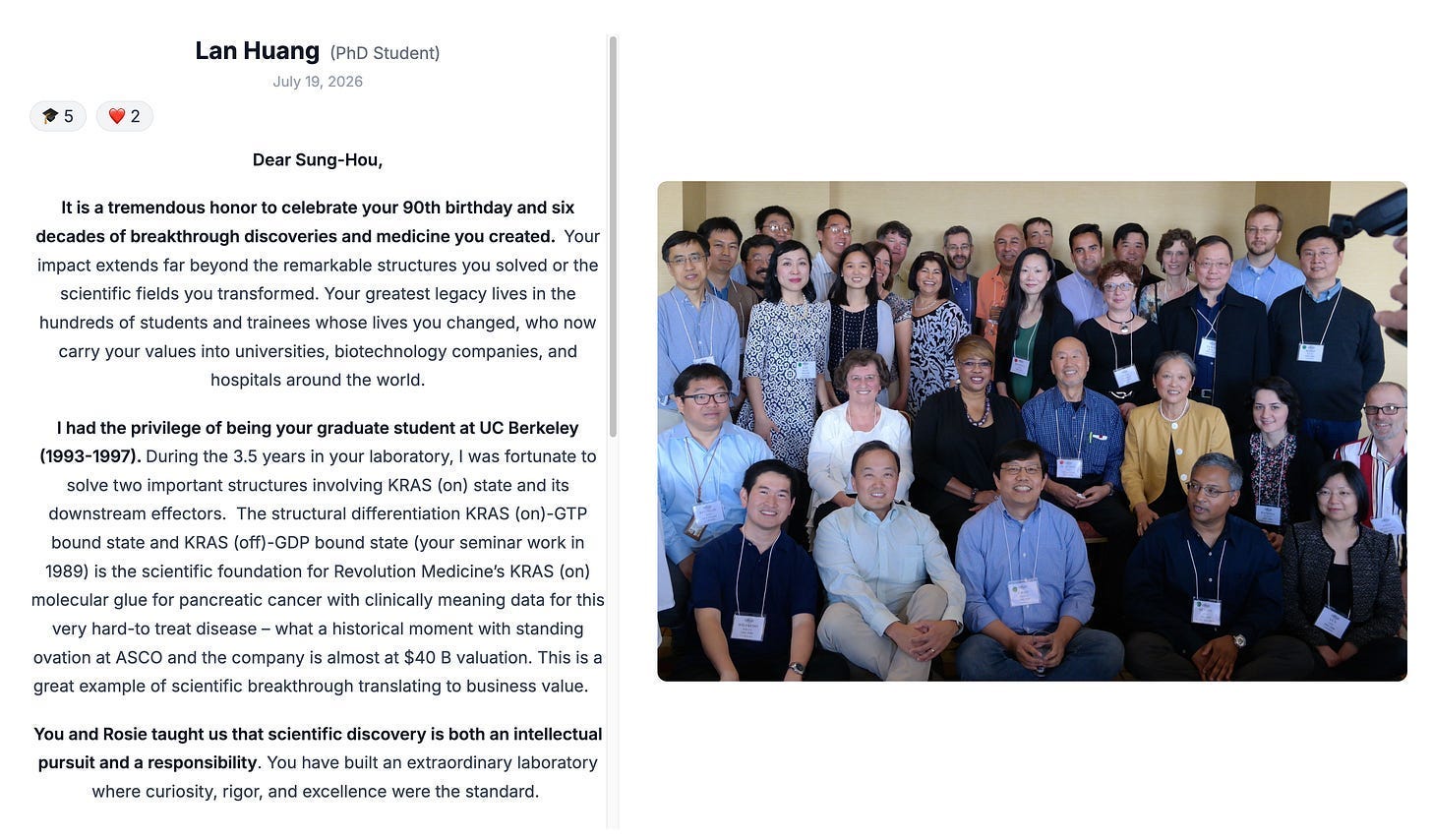
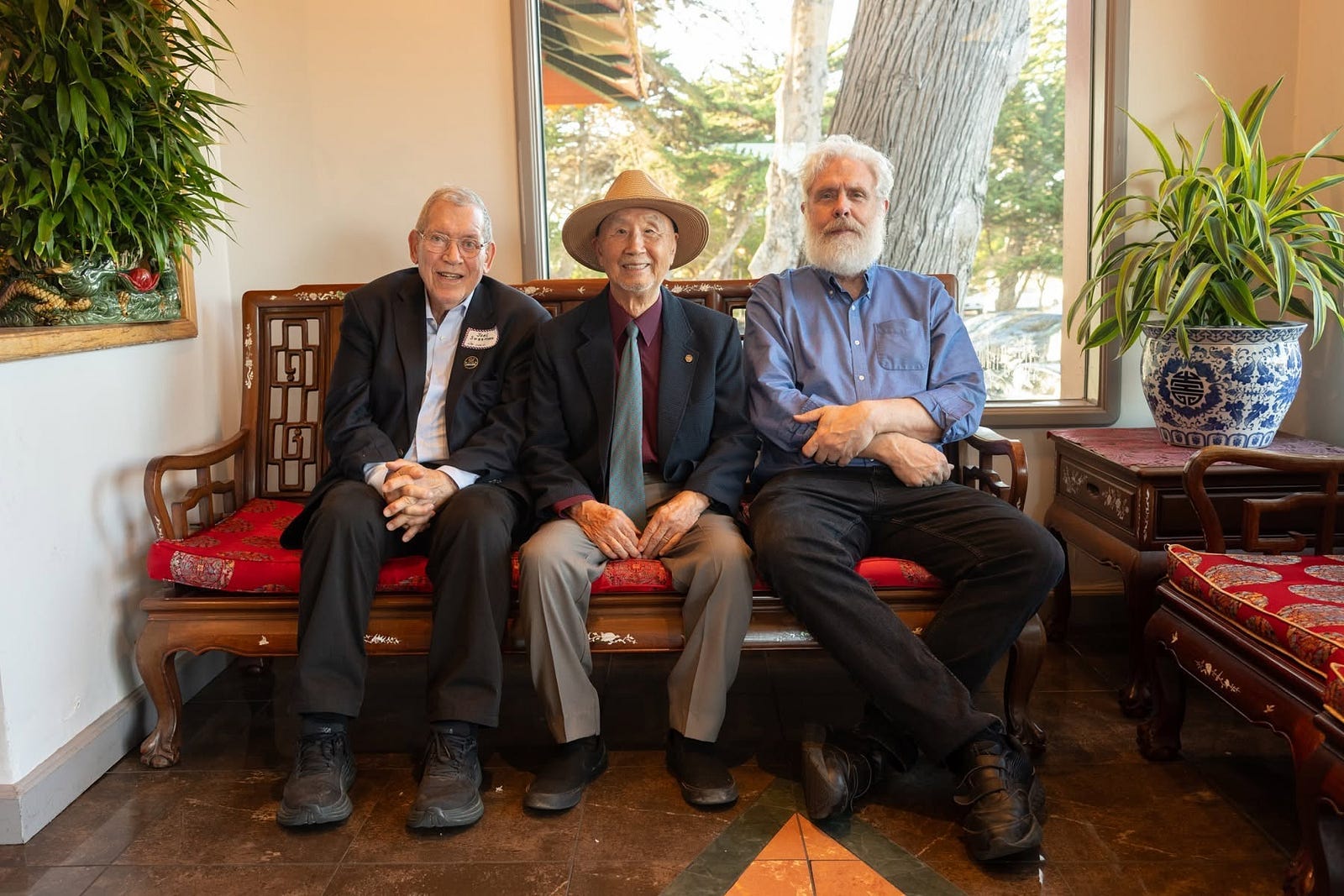
The real pivot with ToF has been toward celebrating people who are here to enjoy it, and it started with Sung-Hou Kim. Toast SHK gathers stories from alumni of the Kim group lab, decades of chemistry graduate students, postdocs, and staff scientists, for the mentor who shaped so many of our careers. And he gets to read them.
In July I created a ToF circle for my wife Kirsten’s 60th birthday. A circle full of stories from the people who know her. She read them as they were posted, as did others who had previously posted. Her birthday day became a birthday month. She was floating on air every day that month, and I’m sure she periodically returns to them for a quick smile or laugh. That is the whole point of the thing. Indeed, apparently her family and friends all think she is funny — which is why I often refer to her as “funny lady” (even with a sarcastic tone at times).
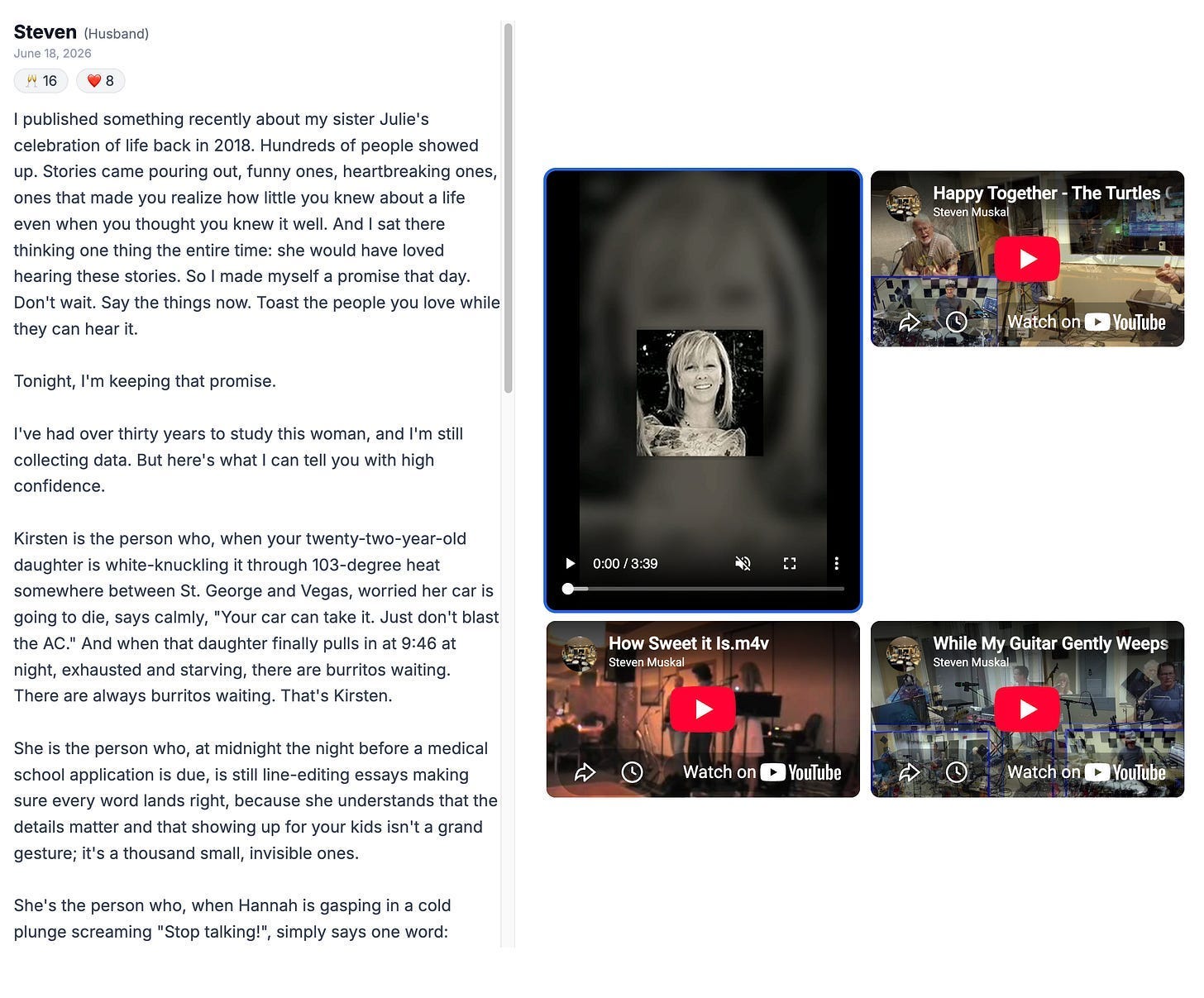
Toast Steve began as my testbed, a page I used to try features before anyone else saw them. Then Kirsten decided it should be real. She started filling it for my own 60th, which is coming up in a few weeks. In tune with past birthdays, this will be a gathering consistent with others involving friends and music in my studio. With toaststeve.com I am now on the receiving end of my own platform, and I recommend it :)
If It Bleeds, It Leads
Local news has run on a simple formula for decades: if it bleeds, it leads. Fear, outrage, and conflict pull attention more reliably than almost anything else, and the algorithms that choose what crosses our feeds learned the same lesson at far greater scale. Researchers call the underlying wiring negativity bias: bad news registers more strongly than good (Nature Human Behaviour).
A ToF circle runs on the opposite formula. Nobody creates one to complain about a person. It selects for the thing we are starved of: specific, positive attention, paid to someone while they can feel it land.
We are coming out of fifteen+ years that trained a generation to doom-scroll and to perform outrage for engagement. I think we are moving into something more connective, a true age of (in)person-to-people engagement. I see it in small places: book clubs filling up again, running groups that meet before anyone has coffee, dinners where nobody looks at a phone. All of it points toward rebuilding the ordinary, unplanned contact that third spaces used to provide for free.
The Lab, and the Rooms in January
This last summer, alumni of the Kim group lab came together for a session. It was 35 years ago for me, some more recent, and some longer ago. Some are professors now. Some run companies. We traded the old stories. It was extremely inspiring for me. I returned from that gathered super-charged and embarked on a campaign to revisit old work and turbocharge new projects.
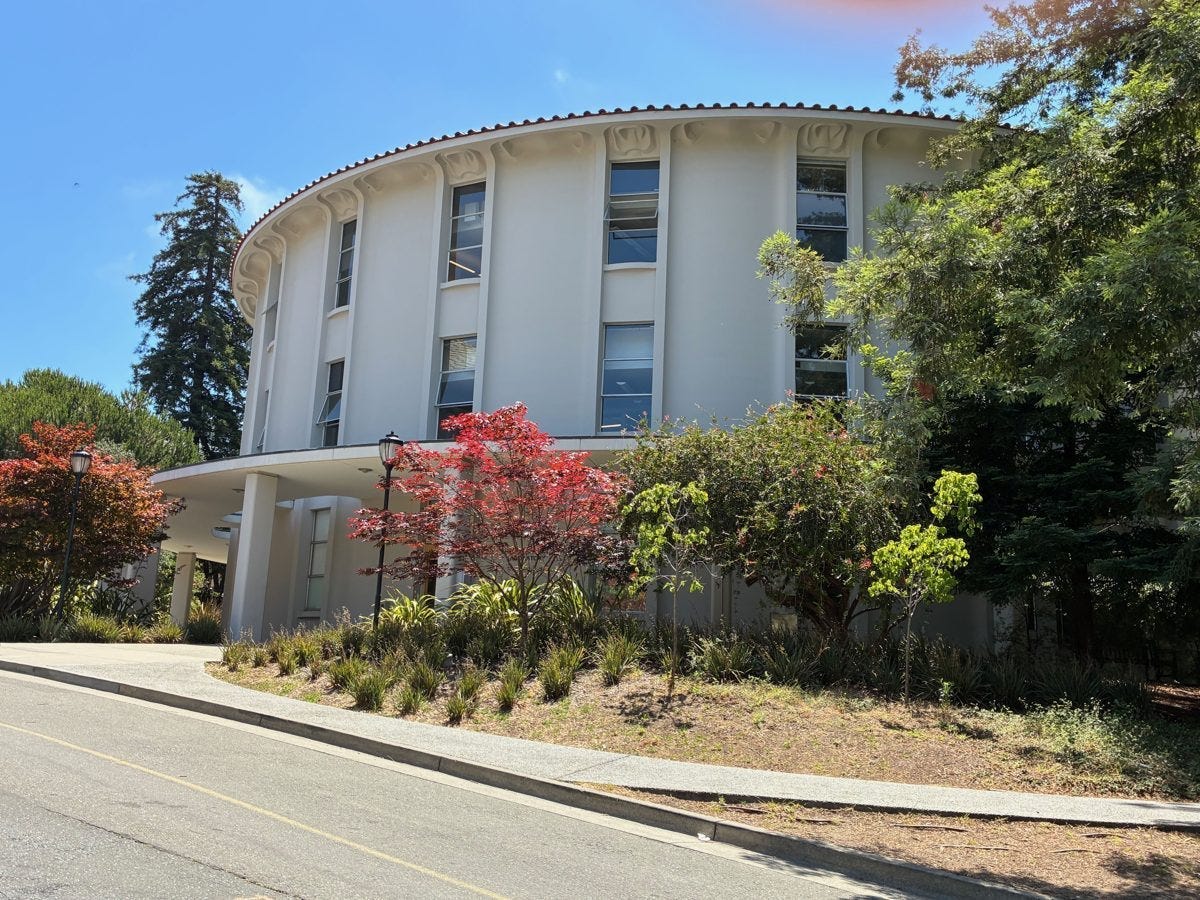
That is the conversation I am taking on the road this December and late January 2027, with chemistry students at UC Berkeley and separately at Claremont McKenna / Harvey Mudd College. I’ll bring 40+ years of decisions, a few of them good, some of them lucky, and a willingness to say which was which in front of students entering a job market that looks nothing like the one I entered.
This is the start of a longer list. Any institution that shaped me or my family is fair game for the same offer: an afternoon with your students, a smorgasbord of appropriate stories and interactive discussion. Paying things back, helping to bring people forward. Being philanthropic with my time has been extremely enjoyable and energizing.
The Epigenetics of Mentorship
I think in chemical and biological terms, so here is the analogy. Transgenerational epigenetic inheritance is the way an organism’s environment and experience change gene expression in ways that can pass to offspring, without changing the DNA sequence itself (Nature Reviews Genetics). It is one of the ways a species carries information forward faster than mutation alone.
Culture is the version of that mechanism available to a species with language. A discussion, lecture, a mentorship, a story told at the right moment: these are how experience transmits outside of genes.
Choosing not to mentor the generation behind you is counter-evolutionary. Most of us are sitting on specific, hard-won knowledge that somebody younger needs right now, and the obligation to hand it over grows as the gap between generations widens.
And the gap is widening fast. The students I will meet in December and January are entering a labor market being reshaped in real time by AI. Many came of age on platforms built for time on screen rather than connection, while third spaces (the diners, rec centers, and campus quads where people used to just be around each other) quietly shrank. Layer a K-shaped economy on top, where asset holders pull away from everyone else (CNBC), and you get a generation with real reason to be anxious about what comes next.
What Rooster Gets Right
One of my new favorite shows this year is Rooster, a comedy-drama that premiered in March 2026. Steve Carell plays a middle-aged author of commercially popular beach-read novels who ends up visiting and lecturing at the New England college where his daughter is a professor.
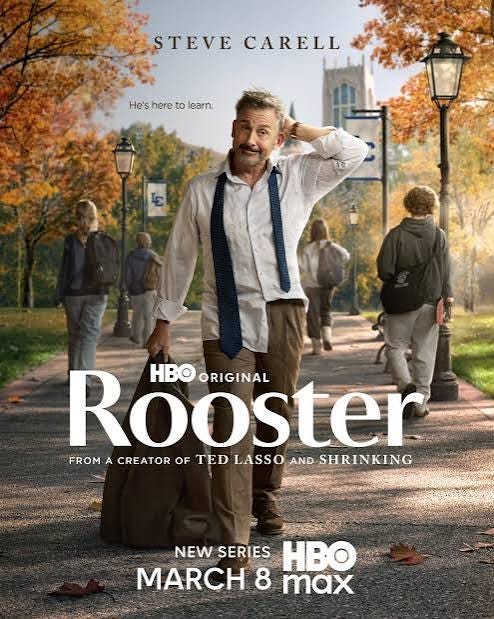
Set the comedy and the family drama aside and look at what he is doing in those lecture scenes: an older person walking into a room of twenty-year-olds, trading real anecdotes and mistakes for their attention, and learning something back from them. Paying it forward runs in both directions. I think of it as bringing them forward.
The Frosting and the Cake
A ToF circle is frosting. It is the light, celebratory, shareable layer that gets people to show up. Nobody opens toastourfriend.com to think about mentorship and epigenetics. They open it because a friend sent a link to say something nice about someone, and that is an easy, pleasant thing to do on a Tuesday. Frosting belongs on birthdays, and so do circles.
But frosting sits on a cake, and the cake is the slower work: the lab reunion, the plane to talk with undergrads, graduate students, and postdocs, telling someone twenty-five years younger exactly what you got wrong at their age so they do not have to find out the same way. The celebration is the secret sauce that gets people engaged. The substance underneath is what carries forward.
I turn sixty in a few weeks, with friends in a room that has been designed to share music and conversation (at the same time!). This time with a circle Kirsten started filling before the candles are lit. Sung-Hou got to read his. Kirsten got to read hers. I am reading mine.
If you are sitting on knowledge somebody younger needs, find the room where you can hand it over. And if there is someone you have been meaning to celebrate, start your own circle. Feel free to template your own, or make use of the platform I enabled. Regardless, do not wait for an occasion. Celebrate the people in your live today. Take my word for it, being philanthropic with your time is better than any material gift.
References
Robertson et al., Negativity drives online news consumption, Nature Human Behaviour (2023): nature.com/articles/s41562–023–01538–4
Fitz-James and Cavalli, Molecular mechanisms of transgenerational epigenetic inheritance, Nature Reviews Genetics (2022): nature.com/articles/s41576–021–00438–5
Wealth inequality is worse than ever as K-shaped economy widens, CNBC (January 2026): cnbc.com
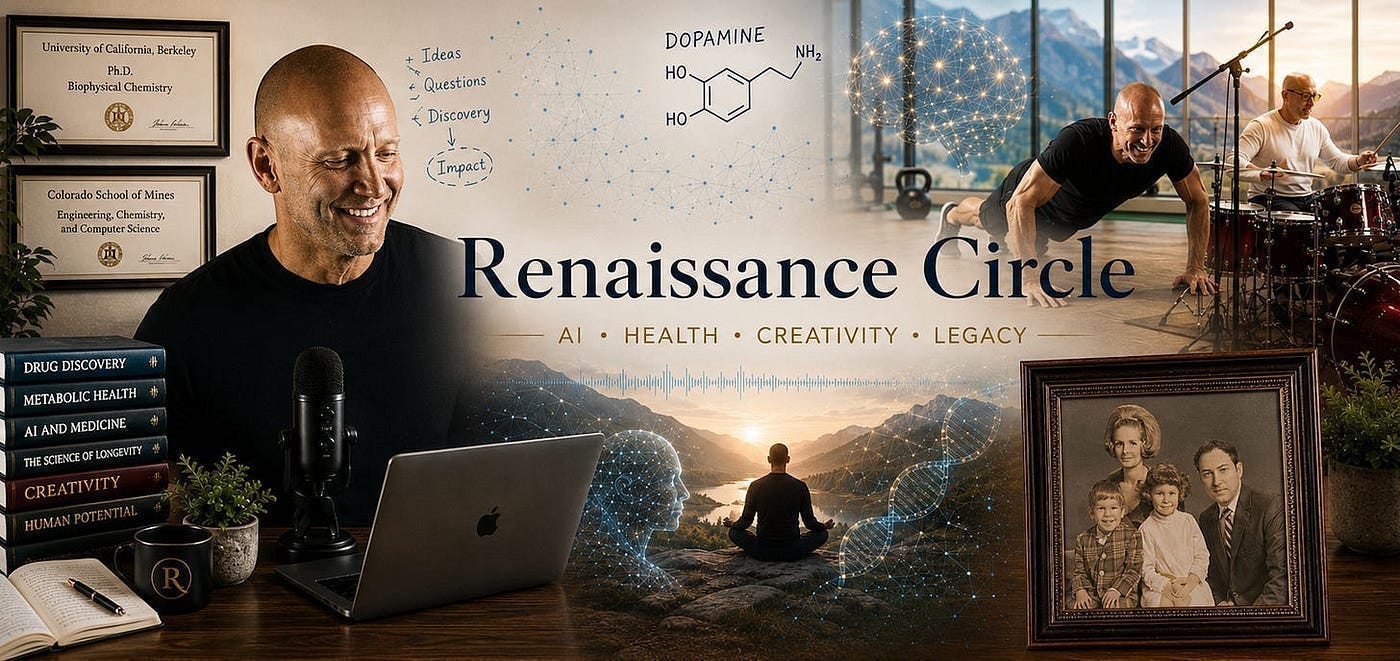
Steven Muskal, Ph.D. is the CEO of Eidogen-Sertanty, Inc. — a drug discovery informatics company. He has spent four decades working at the intersection of computational biology, AI, and drug discovery. He writes about AI, health, and the intersection of biology and technology at stevenmuskal.com
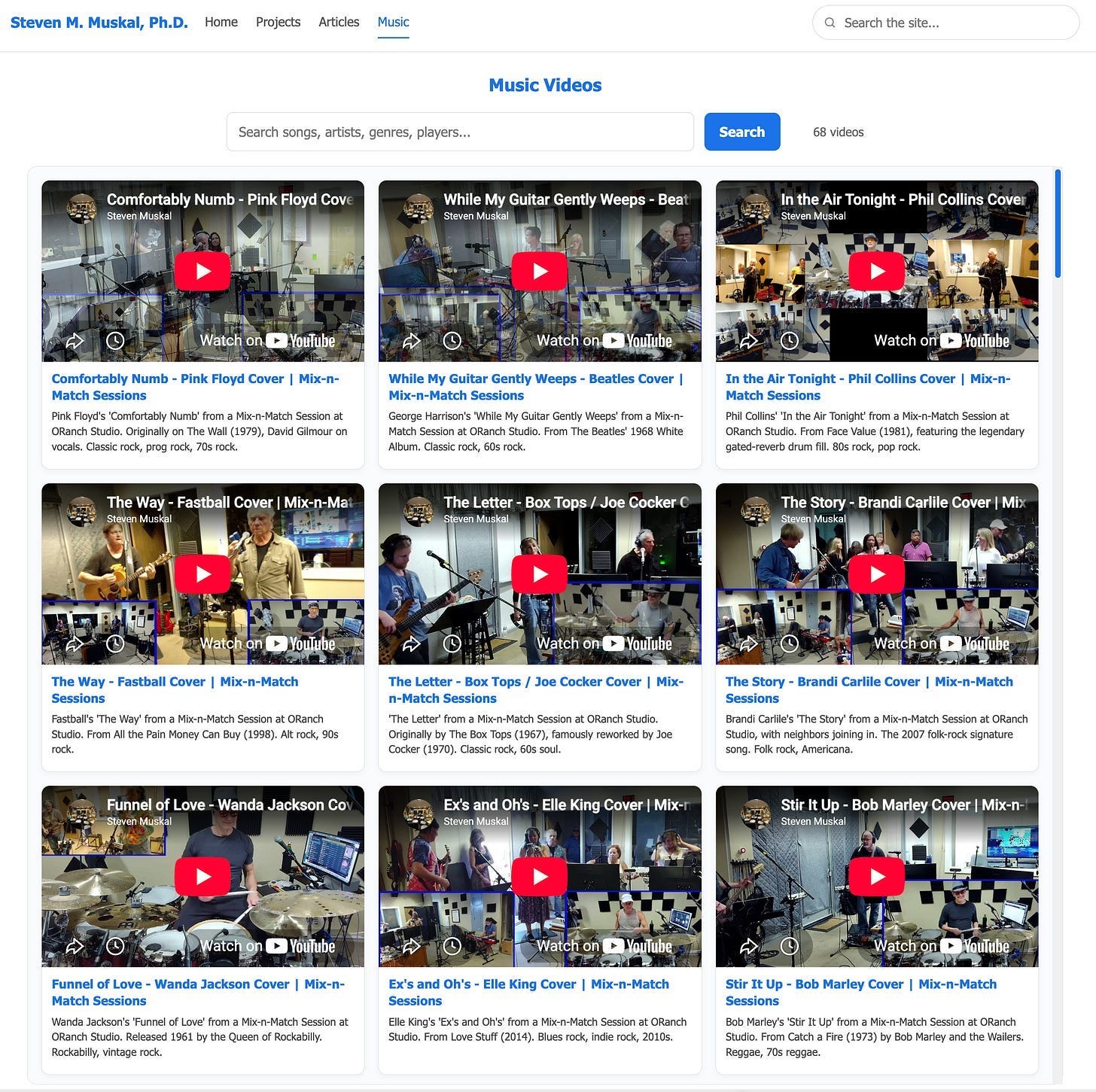
I normally include examples of recent mixes, but this time I thought I would direct you to scan through any that might resonate with you. It’s a nice collection and growing - Music Videos - I’m sure I’ll add a few after my upcoming birthday…