

By Steven Muskal, Ph.D. · CEO, Eidogen-Sertanty, Inc. · June 10, 2026 | stevenmuskal.com
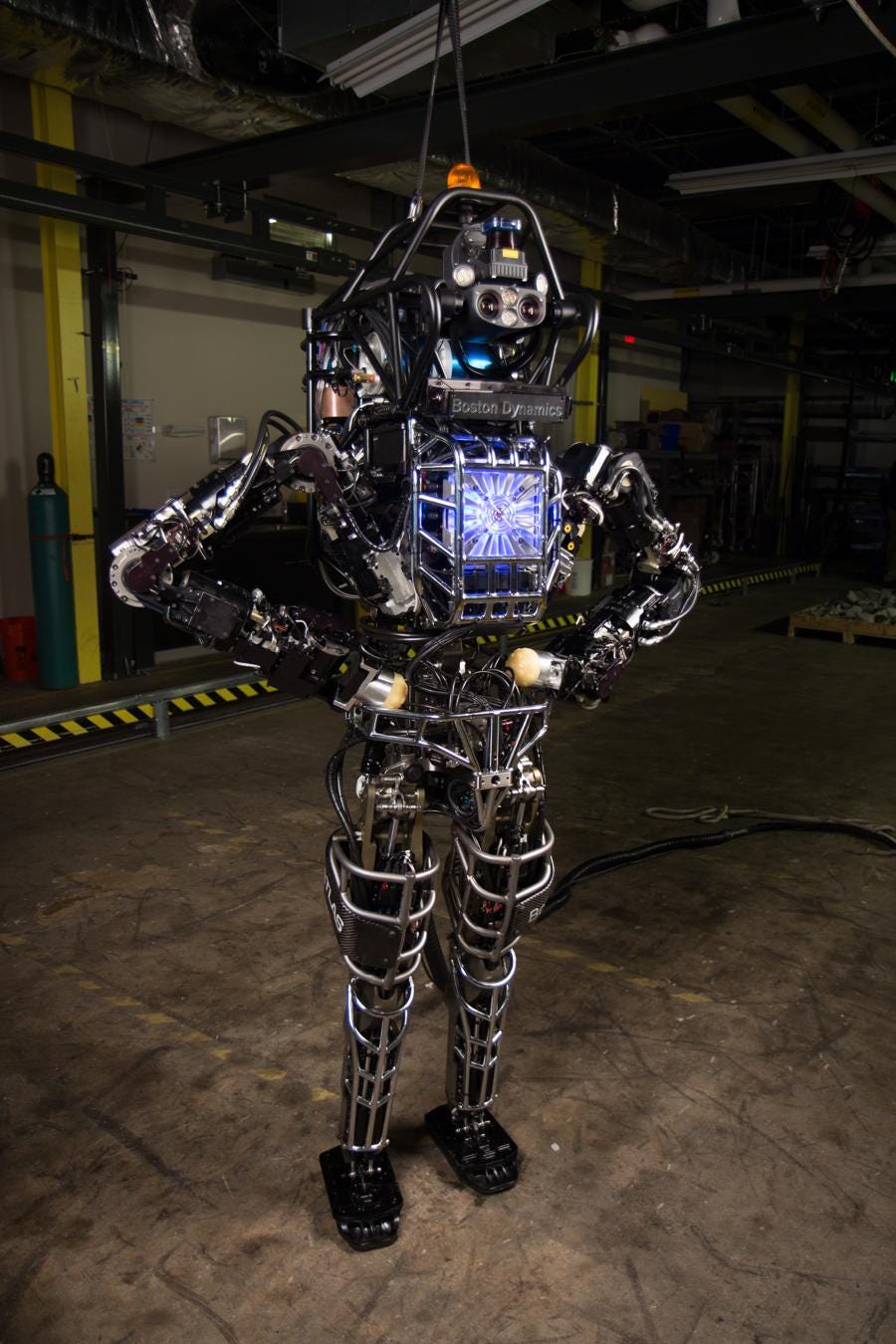
For the past few years, the story of artificial intelligence has been a story about language. Models that write, reason, summarize, and converse with a fluency that still catches me off guard. That story is real, it is extraordinary, and we are nowhere near finished telling it. But I am increasingly convinced it is only the first act. We have spent this era marveling at what machines can say. The next one will be defined by what they can do. The next major evolution of AI is not happening on a screen. It is happening in the physical world, in joints and actuators and sensors, in machines that balance and grasp and walk. Intelligence is escaping the data center and stepping into the room with us. The machine is learning to move.
Two bets on intelligence
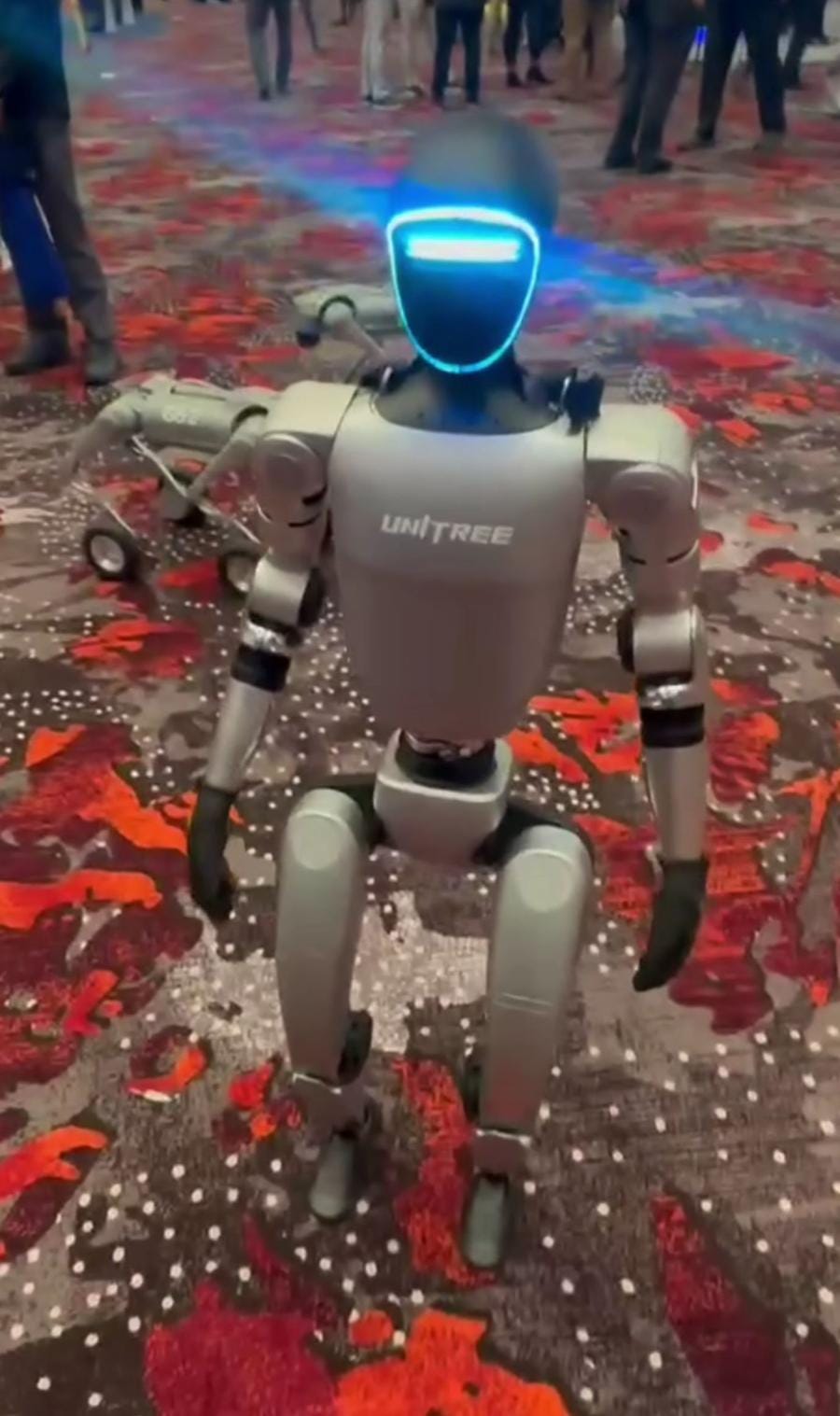
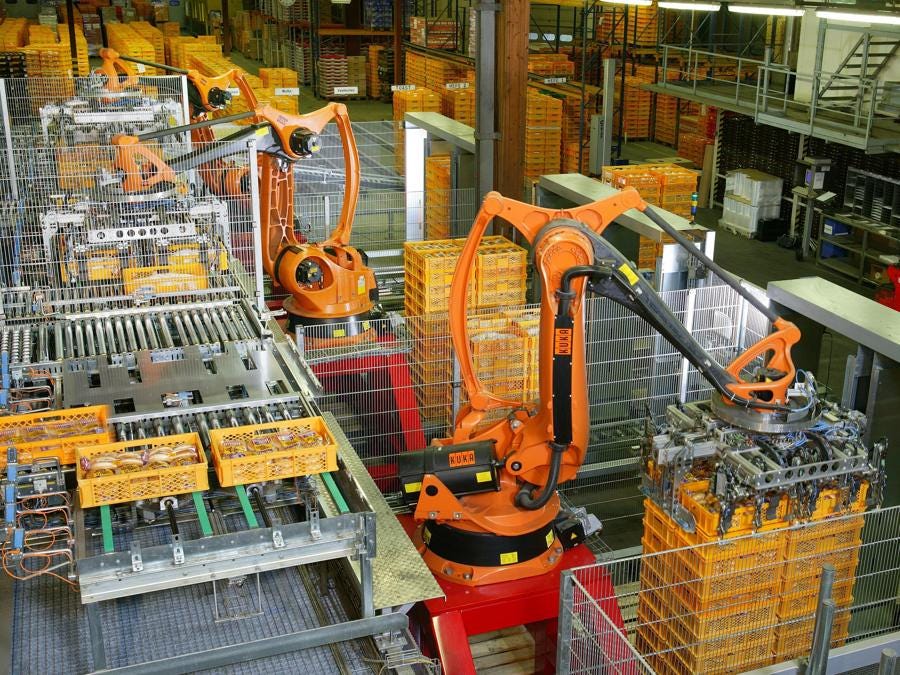
I went back and forth on what to even call this piece. I nearly titled it Two Bets on Intelligence: America’s Mind, China’s Hands, because that really is the shape of what is happening. The United States has placed an enormous wager on large language models, on reasoning, generation, and the manipulation of symbols, on what I would call in silico AI. It mirrors the economy we built: services, software, information, abstraction. China has placed an equally enormous wager on the opposite axis, on robotics, on AI fused with motion and the physical world. That, too, mirrors an economy: manufacturing, hardware, the making and moving of real things.
It is tempting to score this like a contest, and in some ways it is one. This is increasingly an arms race, American corporations against Chinese corporations, with national strategies behind them. But the deeper truth is that neither bet wins alone. A mind with no hands is a brilliant prisoner. Hands with no mind are just machinery. At the end of the day, I believe we will have to bring the two halves together, the cognition and the dexterity, and we will have to do it deliberately, with proper guardrails in place, because the combination is far more powerful, and far more consequential, than either piece on its own.
Dexterity built the brain
Nature settled this question long ago, and it is worth listening to what it learned. We did not become human on the strength of our brains alone. We became human at the intersection of a brain that can predict and a body that can act with breathtaking precision, and the two evolved together, each pulling the other forward. Here is the part we tend to forget: it was dexterity that drove the brain as much as the brain drove dexterity. The hand and the cortex grew up together, locked in a tight evolutionary feedback loop.
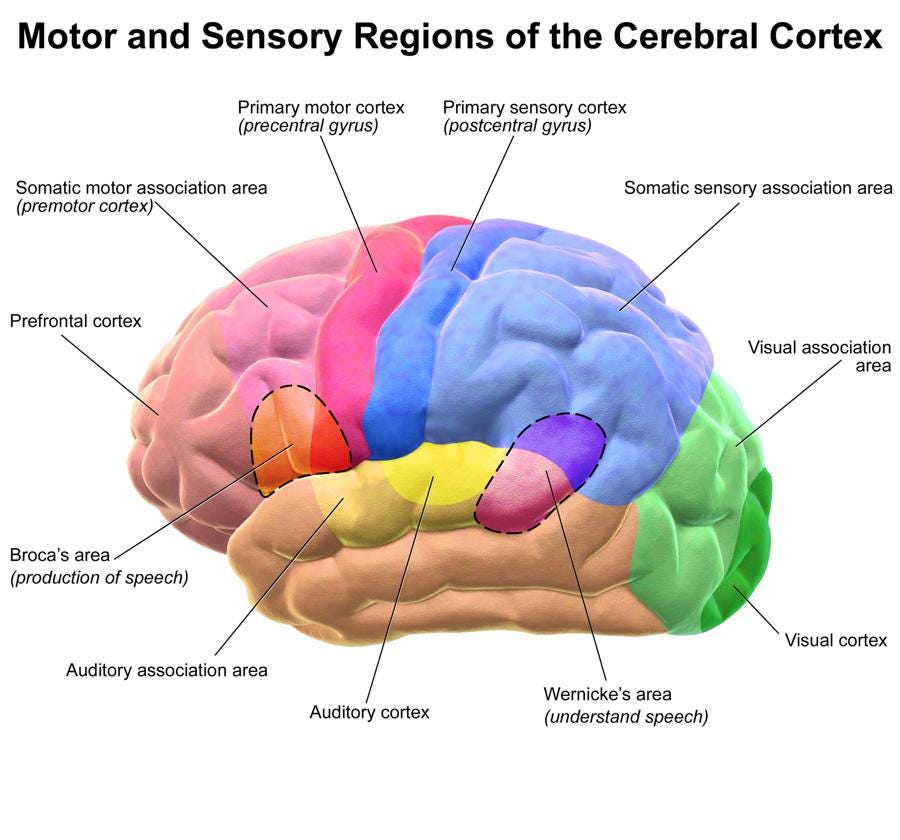
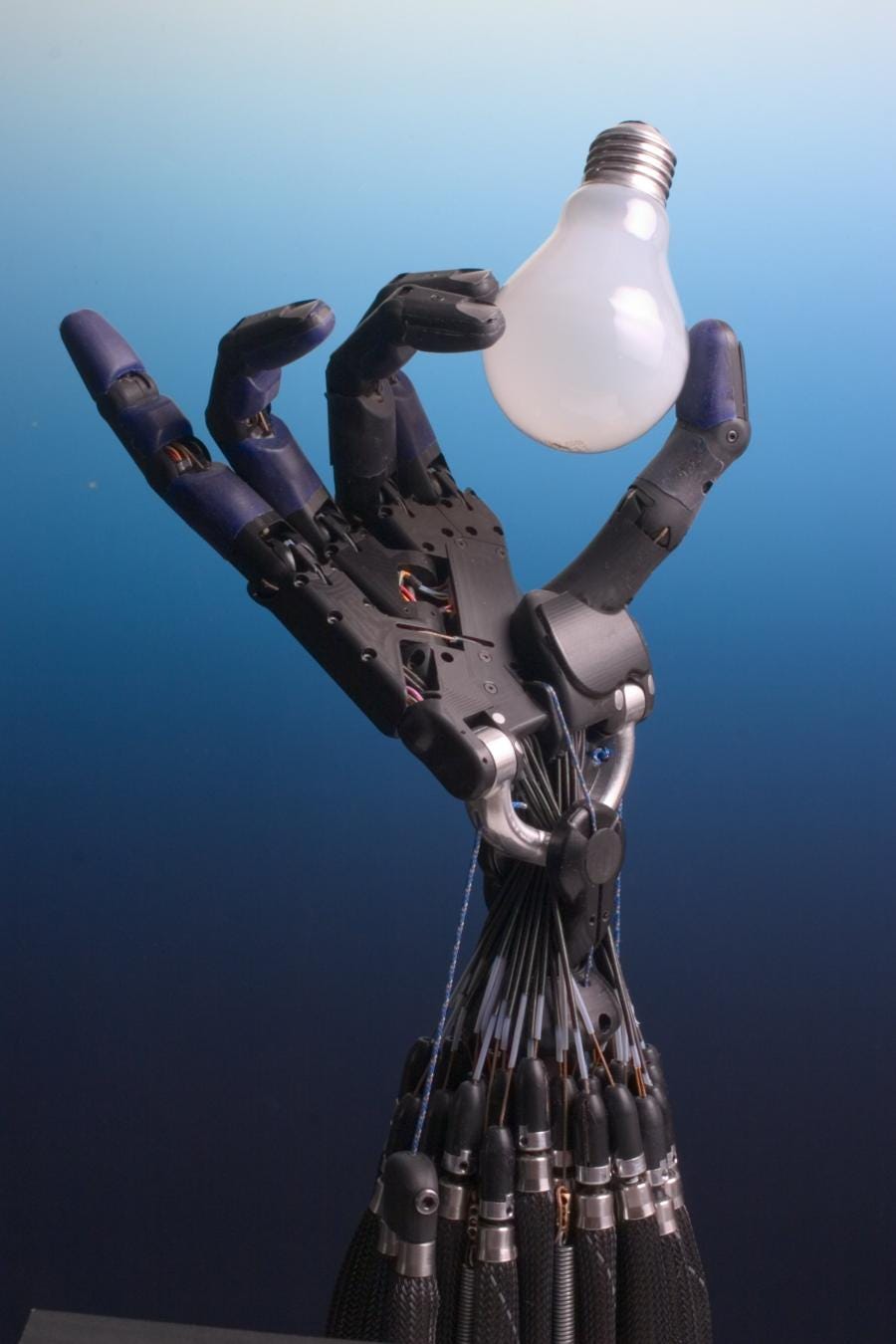
Map the brain’s motor and sensory cortex and something striking emerges: a remarkable share of it is devoted to the hand alone, far more than its physical size would suggest. Controlling that hand in real time, with grace, adjusting grip and force a hundred times a second, is one of the hardest computational problems nature ever faced, and our brains physically expanded to meet it. It is not the opposable thumb alone that lets us play the piano. It is the brain that grew to drive it. No other species can do that. And, not coincidentally, the dexterous hand remains the single hardest thing to build in a robot. That is exactly why it is the frontier.
The hardest problem in sports
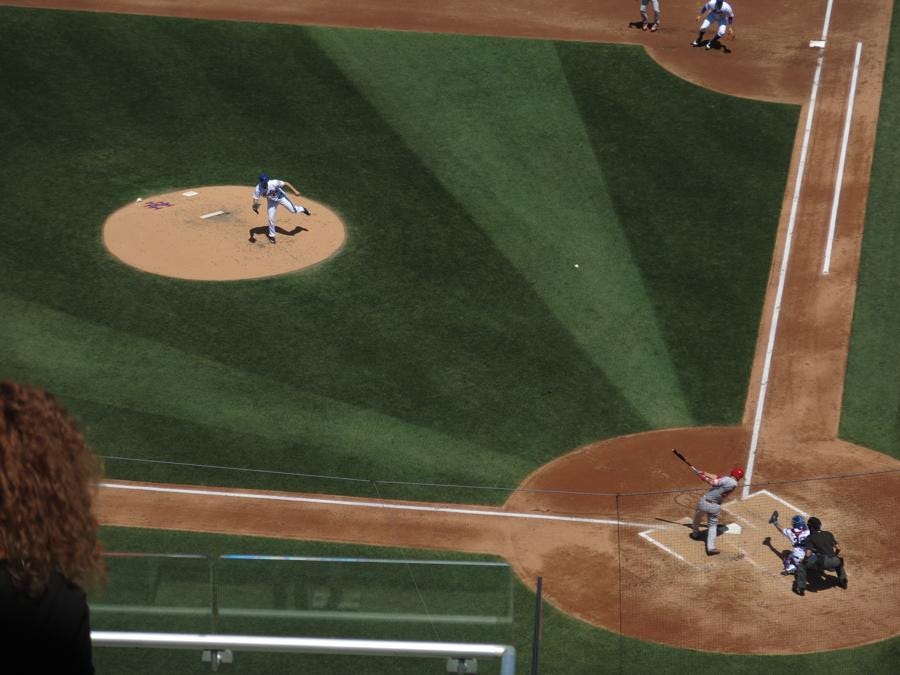
If you want to feel how hard this coupling really is, watch someone hit a baseball. A pitch arrives at a hundred miles an hour. In the fraction of a second it takes to travel from the pitcher’s hand to the plate, there is barely enough time, often less than enough, for a human nervous system to run the full loop from perception to the command to swing. By the strict arithmetic of reaction time, the hit should be impossible. And yet a great hitter succeeds about a third of the time, and a third is the stuff of legend.
The secret is that the batter is not reacting; the batter is predicting. The brain runs a forward model of the pitch, anticipating where the ball will be and pre-committing the body before the evidence is fully in, then fuses that prediction in milliseconds to a violent, exquisitely timed act of dexterity. That fusion, prediction plus execution, is exactly what embodied AI has to crack. It is not enough to think, and not enough to move. The two have to happen as one.
The machine is already moving
This is not science fiction, and it is not far away. Boston Dynamics has spent years teaching machines to walk, run, climb, and recover their balance when shoved, with a fluidity that still stuns me to watch. Amazon has quietly made one of the smartest bets in the industry, pouring robotics into its fulfillment centers until the warehouse itself became a kind of distributed robot; I think they are going to knock it out of the park. Across China, a wave of humanoid robots is advancing on the very thing nature found hardest, the hand and the brain that drives it, at a pace that should command our attention.
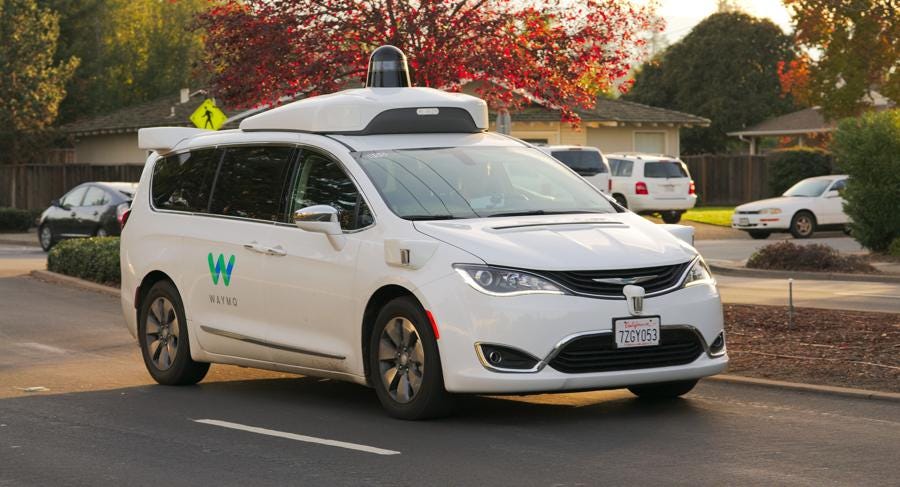
And autonomous driving is the bridge we can already see, and ride in. It is in silico AI reaching out into the physical world, and it is teaching us a clear lesson about how to do that well: more sensors and better training data win. Waymo has been quietly demonstrating that over Tesla, a point I made in Content Makes Kings. The vehicle that perceives more of its world, and is trained on richer data, simply drives better. The same will be true of every machine we ask to move among us.
The next frontier is lightness
And here is where I see a genuinely new opportunity, one I do not think gets enough attention. As intelligence becomes mobile, it collides with a constraint that pure computation never faced: weight. A robot that has to move through the world fights its own mass with every step, and every ounce it carries costs energy it has to generate, store, and haul around. The next great limit on physical AI is not just compute. It is mass, energy, and the delicate balance between them.
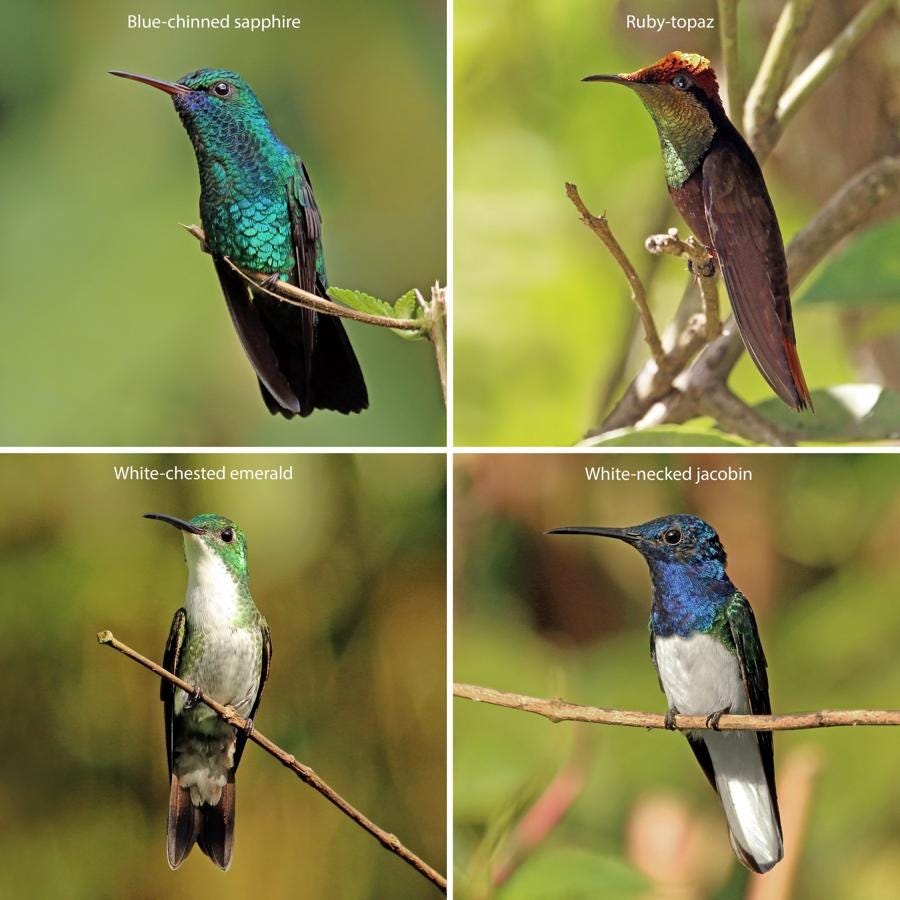
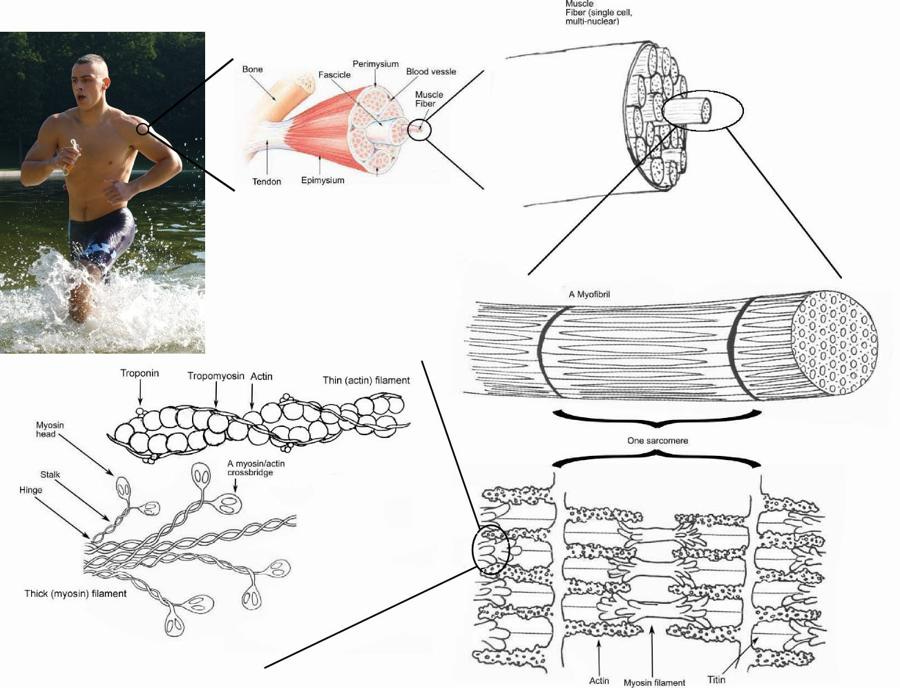
Nature has been optimizing exactly that balance for hundreds of millions of years, and its solutions are humbling. A bird’s bones are hollow and cross-braced with delicate internal struts, strong and very nearly weightless. A hummingbird hovers on almost nothing, its metabolism tuned to the very edge of what is physically possible. Our own muscles are astonishingly efficient, pound for pound, at turning chemical fuel into motion, and even recover some of it. If we want machines that move with grace for more than a few minutes, we will have to learn those lessons.
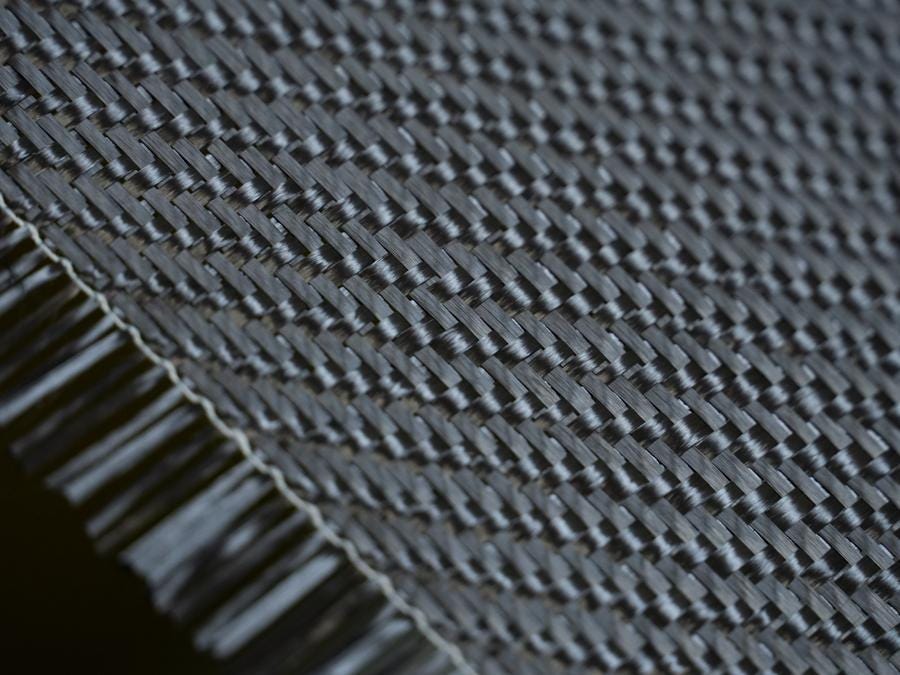
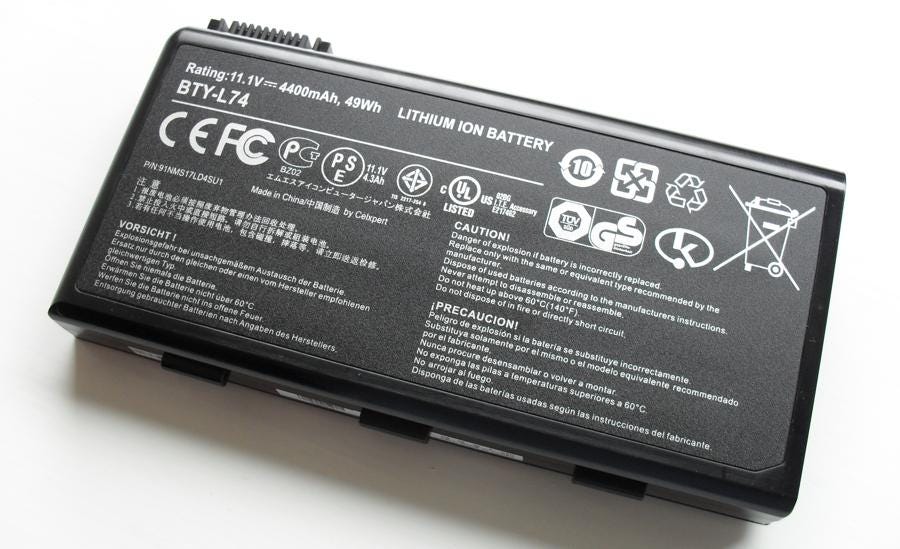
That means lighter and stronger materials, denser and lighter energy storage, and perhaps even biological strategies, bioreactors of a sort, for generating power on board rather than carrying it. To me, this is the quietest frontier of physical AI, and one of the most exciting: a generational opportunity in material science, in energy efficiency, and in the delivery systems that tie them together. Whoever solves lightness may matter as much as whoever solves intelligence.
Freed, not just displaced
I know what all of this stirs up, because I feel it too. People are already anxious about AI displacing jobs in the service economy, and when the conversation turns to the physical world, to robots on factory floors and in warehouses and someday on our streets, the anxiety sharpens into something closer to fear. The pitchforks come out. I do not dismiss that fear, and I do not think the people who feel it are Luddites. They are paying attention, and they are not wrong that disruption is coming.
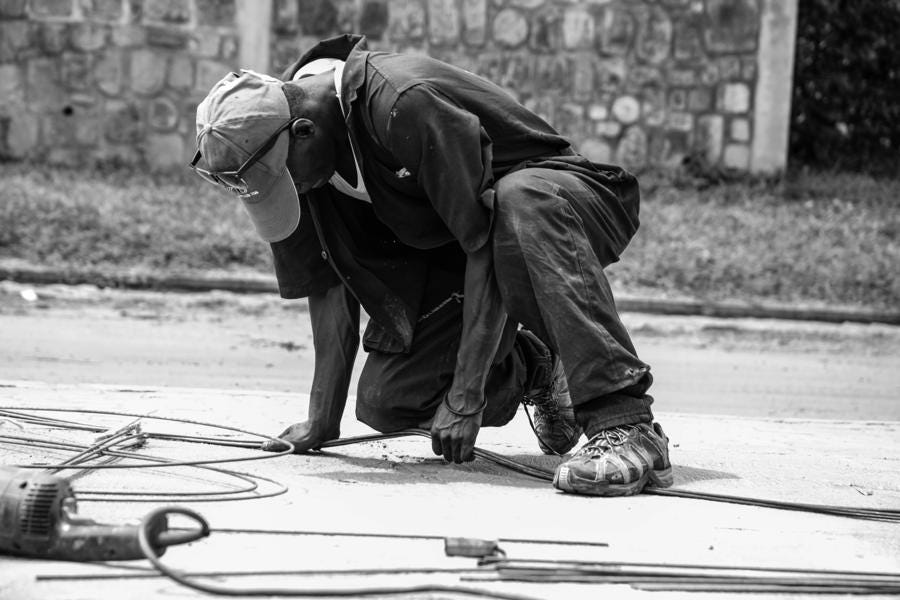
But consider what we are actually automating. So much of the menial, back-breaking labor we are talking about, the repetitive lifting, the punishing hours, the exhaustion that pushes people toward fast food and away from rest, is itself a quiet contributor to the very metabolic and health crisis I have written about. Automating that work is not only an economic act. It can be a human one. There will always be plumbers and machinists, and we will always need their hard-won know-how. But even they, I have to imagine, would rather not break their own backs if there were a way to apply that knowledge at a higher level. In silico AI, paired with physical AI, can free us to pivot toward the next best thing, toward work that draws on more of what makes us human.
Pivoting is hard, of course, and it gets harder as we age; I will not pretend otherwise. But there is a difference between disruption that ambushes people and disruption we can see coming and plan for. If we are honest with ourselves about where this is heading, we can build the vocational training, the safety nets, and the on-ramps deliberately, rather than being caught flat-footed. That is the difference between disruption that breaks people and disruption that lifts them, and it is a choice, not a fate, a responsibility I explored in The Fire This Time.
The machine is rising
The same coupling of mind and body that made us human is now being assembled, piece by piece, in silicon and steel and carbon fiber. It is a strange and moving thing to watch our own evolutionary story replayed on a workbench. Handled wisely, with the guardrails and the intention this moment demands, it does not have to replace what we are. It can extend what we are able to build, and free us to become more fully ourselves. The machine is rising. The question, as it has always been with every fire we have ever lit, is what we choose to do with it.
Related reading: Content Makes Kings · The Fire This Time · The Metabolic Crisis Is Not a News Story · We’ve Already Reached AGI · Curiosity Is the Only Sustainable Edge

Steven Muskal, Ph.D., is the CEO of Eidogen-Sertanty, Inc., a company pioneering high-quality curated databases for drug discovery informatics. With over three decades of experience in neural networks, machine learning, and computational biology, Dr. Muskal has been advocating for data quality as the foundation of AI capability since long before it was fashionable. His early work in protein structure prediction and his ongoing leadership in drug discovery informatics reflect a career-long commitment to the principle that quality data is the irreplaceable substrate of meaningful AI.
For a few music mixes - more from that very fun mix last week. A totally new player joined in — David / Bass. Together with a new combination of other veteren players that, as usual, haven’t played together before. David (bass), Tim (Vocals/Guitar), Andrew (Guitar/Vocals), Ron (Vocals/Acoustic).


